
Chickpeas
Chickpea is a grassy annual plant of the legume family. It reaches a height of 20-70 cm. Seeds of chickpea are small beans with a rough surface, shaped like an owl or a sheep's head. They have a rather large size compared to ordinary peas - from 0.5 to 1.5 cm in diameter.
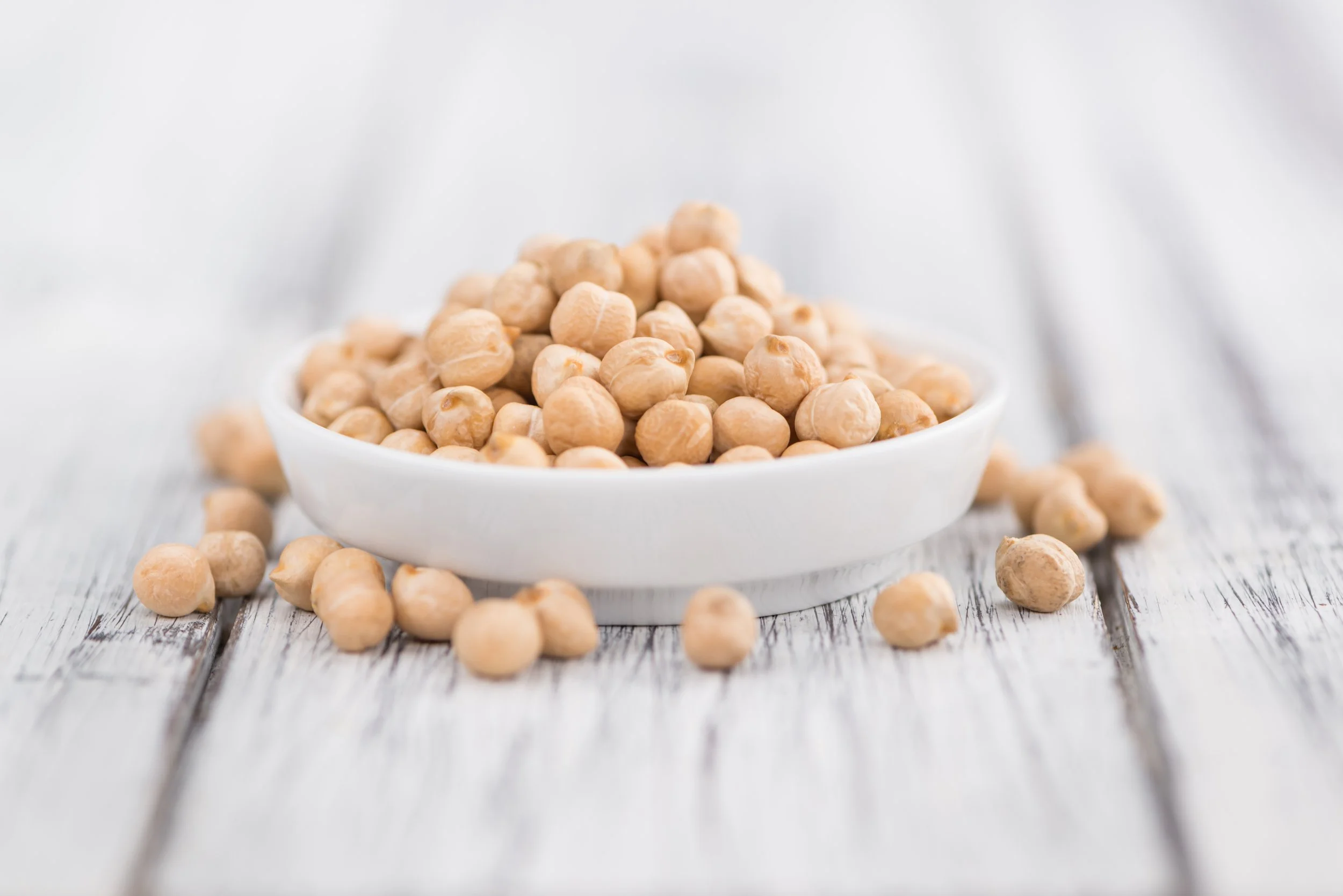
Chickpeas has a whole list of names: chick peas, lamb peas, bubble jar, nahat, shish peas. In any case, he is familiar to human civilization from the seventh millennium BC. At that time it was grown in the Middle East. In the Bronze Age, chickpeas appeared in Greece and Rome.
In the era of Antiquity, chickpea beans were considered an attribute of Venus (Aphrodite). It was served fried in olive oil and eaten with cheese. Homer's Iliad appears as the first written mention of chickpea. Starting from the 17th century, chickpea becomes known to almost the entire world. It was used as a coffee substitute in Europe. In Russia, chickpeas came from the Bulgarians and the peoples of the Caucasus.
Cooking Application
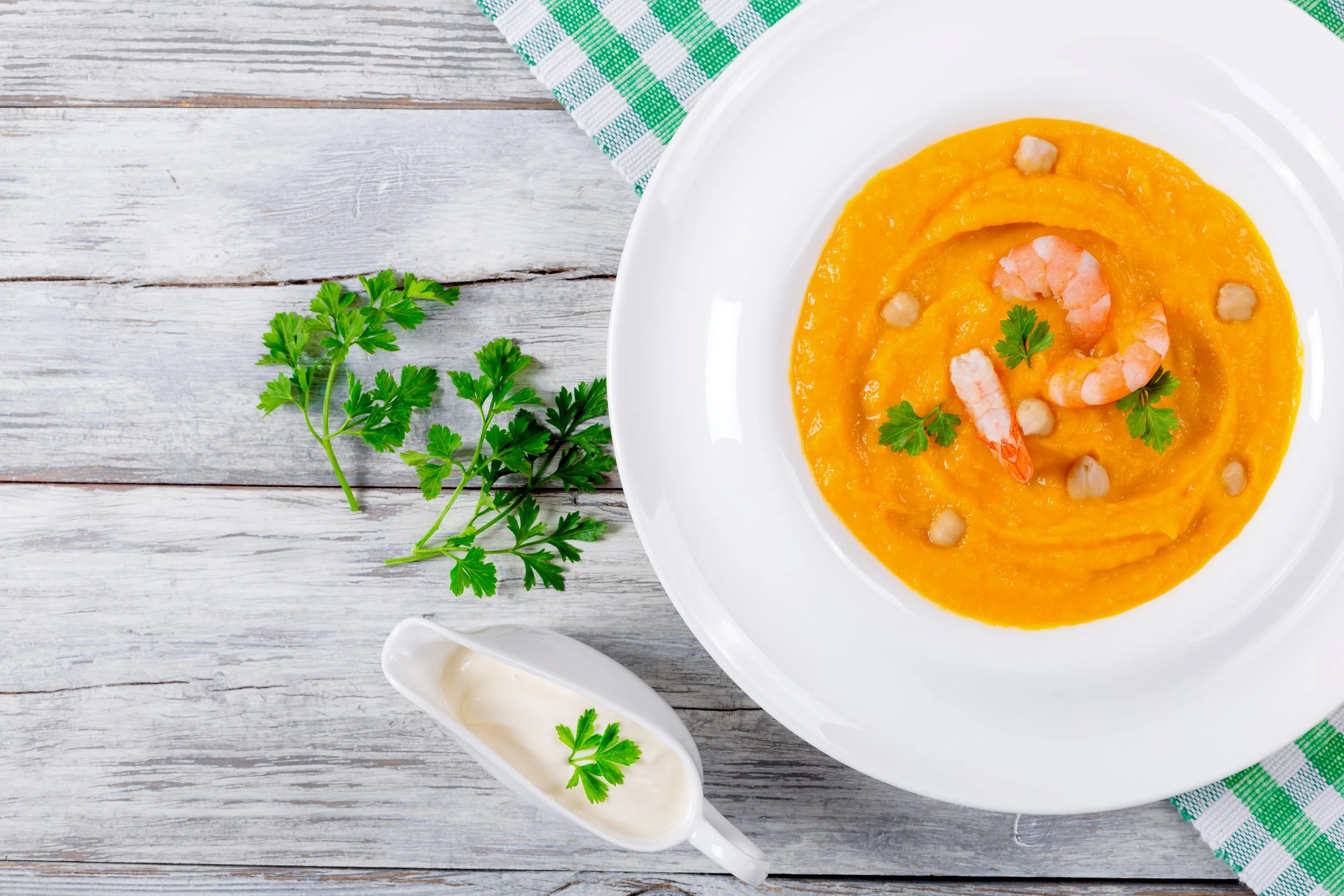
The beans are boiled and fried, served as a side dish to the stew, boiled in soups, added to salads, pilaf. Due to the high protein content of chickpeas - an important element of vegetarian and Vedic cuisine.
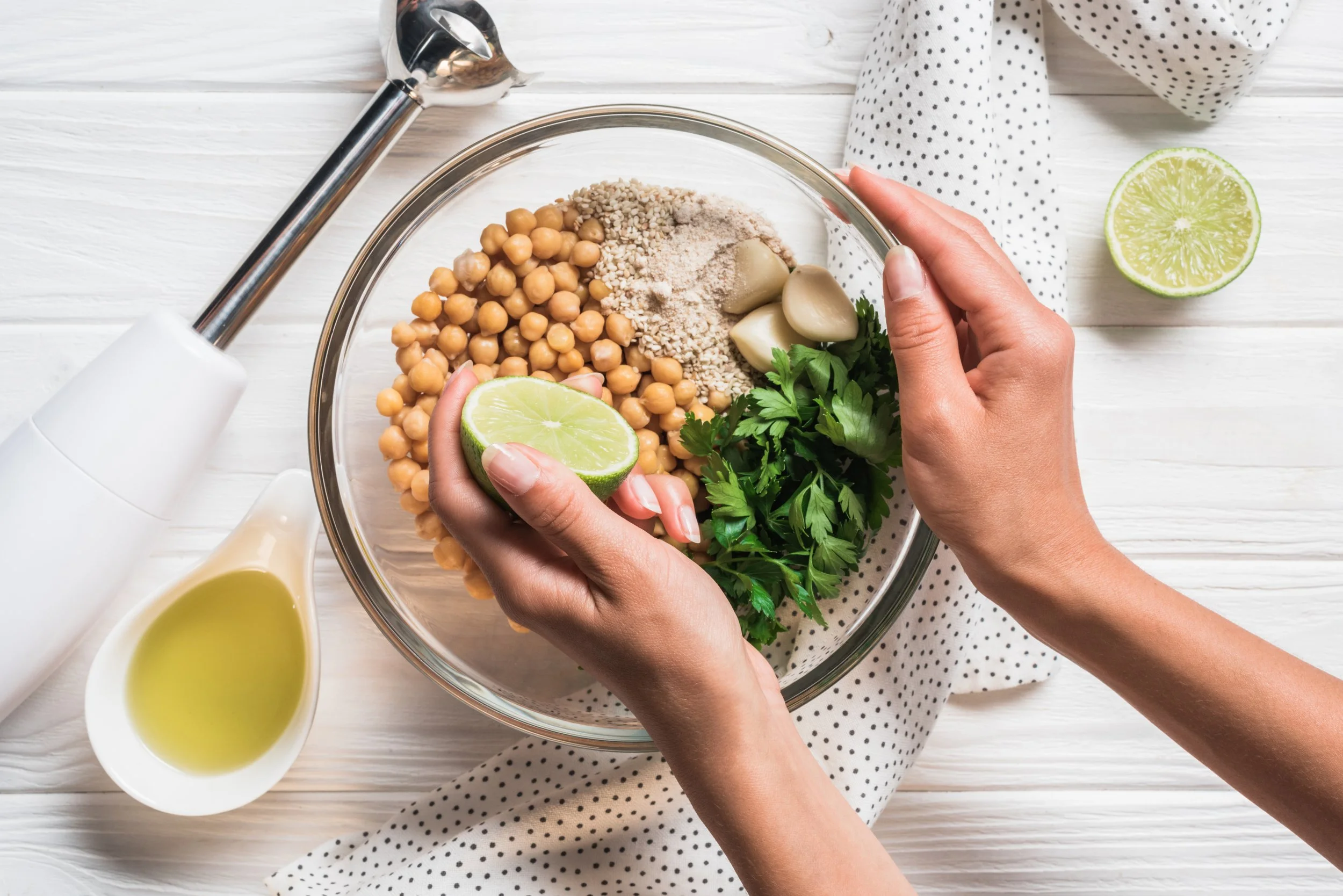
Chickpeas have a pleasant nutty flavor. Boiled shredded chickpea, brought to the consistency of mashed potatoes, is a nutritious snack, common in Israeli cooking - "hummus". A dish of Arabic cuisine, called "falafel" - the same chickpea puree, formed into balls and fried until crisp.
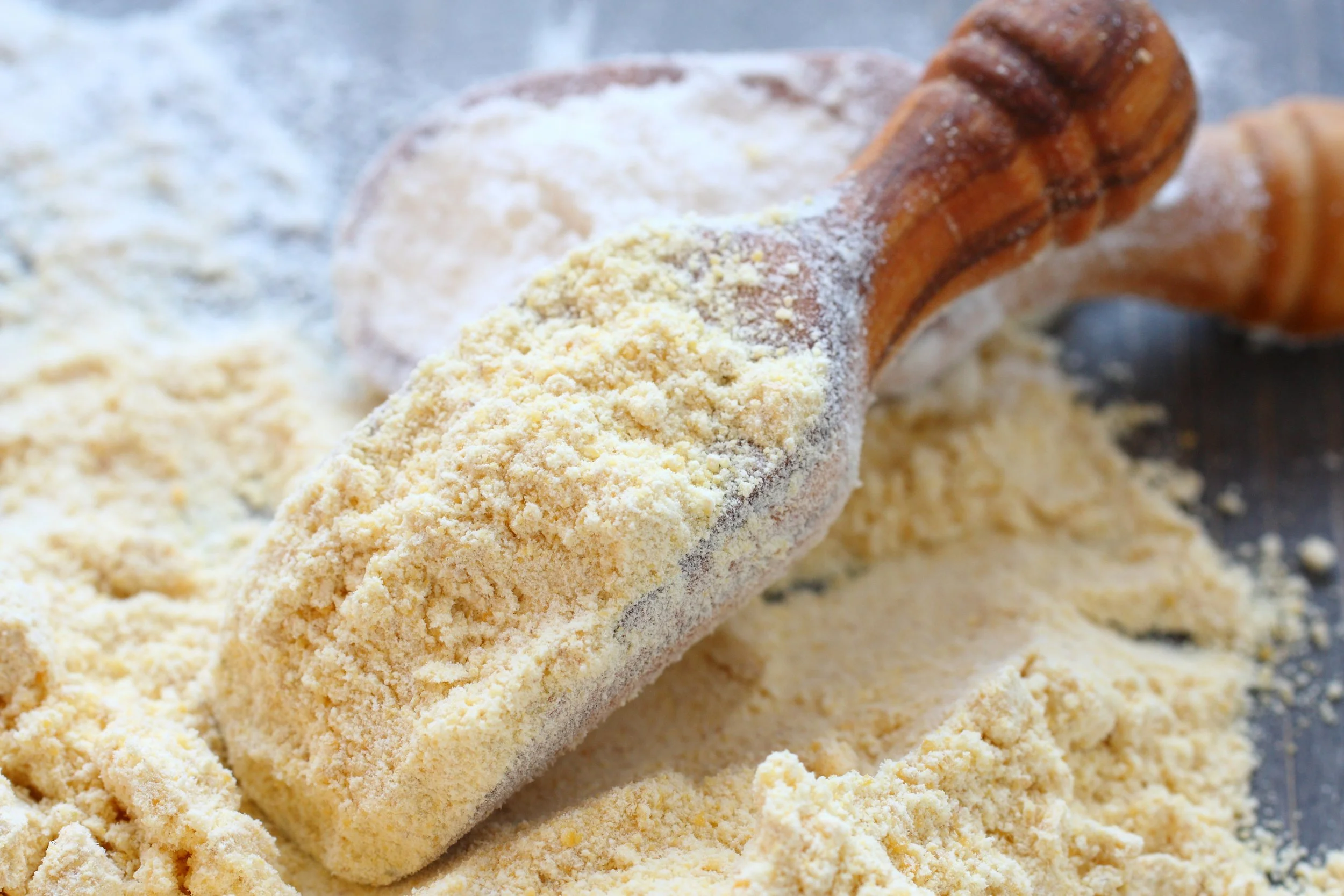
Chick-pea flour is an attribute of Indian cuisine, which was used by Italian cooks: special flat bread-farinata is made from it. Filipinos know how to preserve chickpeas in syrup and serve it as halo-halo dessert (“Filipino ice cream”). If rice can be made into sake, then chickpea is also suitable as a raw material for alcoholic beverages.
Composition and properties
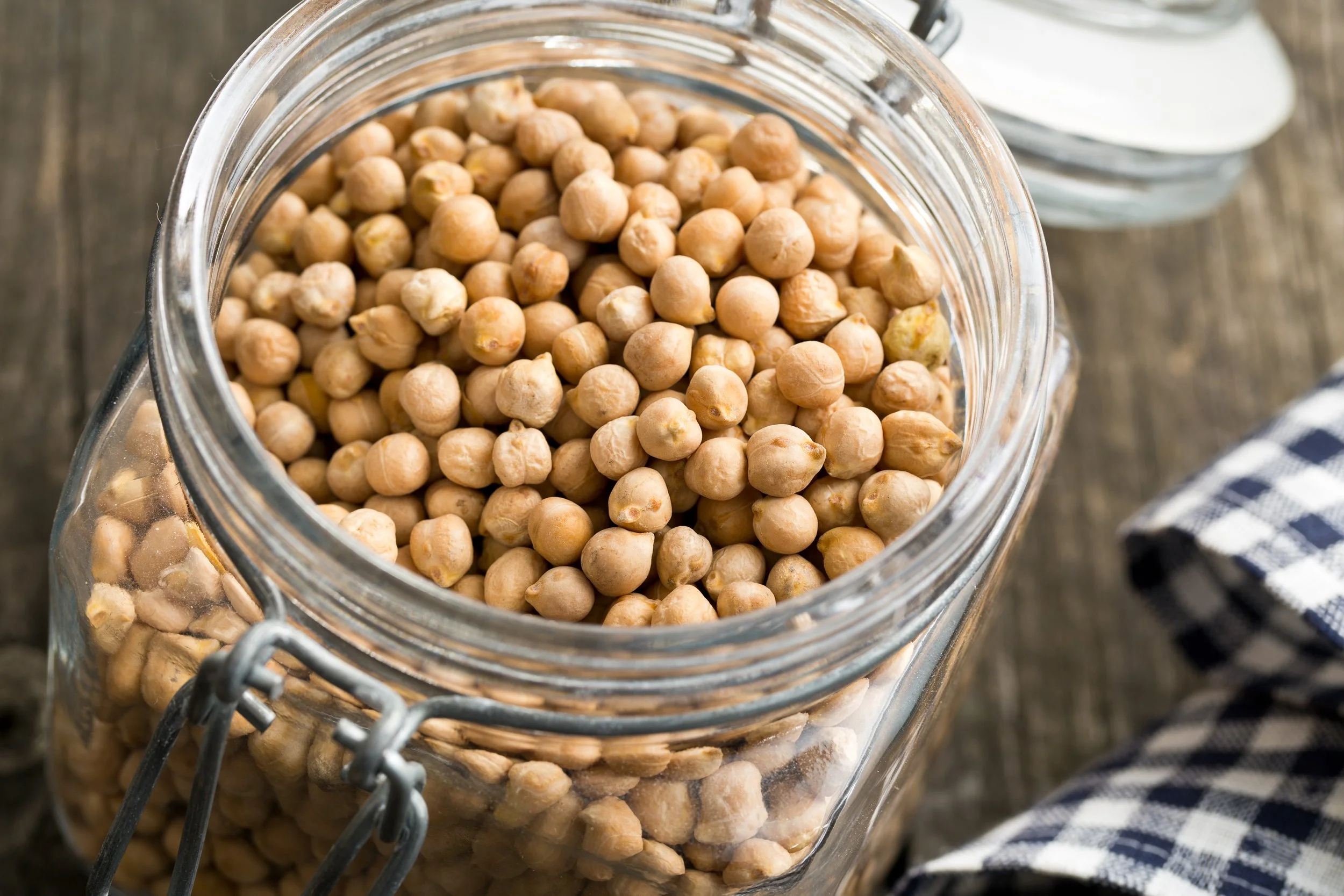
Chickpea seeds serve as a source of zinc and folic acid. Chickpea seeds contain about 20–30% protein, 50–60% carbohydrates, up to 7% fat (mostly polyunsaturated), and about 12% other substances, including the essential amino acid lysine, vitamins B1, B6, and also minerals. .
Regular consumption of chickpea reduces cholesterol in the human body. It contains so much potassium and magnesium for immunity and blood. Calcium and phosphorus in chickpeas will help strengthen the bone tissue.
Although the stems and leaves of these beans have no culinary use, they contain oxalic and malic acids, which are very useful. Straw and green mass goes to sheep food.
Medicinal properties
Chickpea or chickpea has the ability to clean the kidneys, removing sand and stones from them, serves as a diuretic. It reduces the cholesterol in the blood, supports the performance of the heart, strengthens it. Chickpeas are useful for diabetics because it helps to keep insulin levels at the proper level. Useful properties of chickpea due to its fiber and fat, protein and vitamins, other useful substances.
Chickpea is a low-calorie product. He is a champion in the content of methionine. It is he who leads to normal cholesterol levels, contributes to the work of the liver and prevents its obesity. Meteonin also acts as an antidepressant. And in chickpeas contains selenium. This mineral substance prolongs youth and increases brain activity. Chickpeas serve as a stimulator of the thyroid gland. It prevents the development of infections and strengthens the human immune system. It is used in the menu of older people for the prevention of cataracts.