
Flax
Flax is one of the oldest valuable crops which gives two types of products (seeds and fiber). To obtain seeds that are processed into oil, use such varieties of plants as mezheumok and curls. These varieties contain from 39 to 48% of the fat in the seeds. A distinctive feature of flax seeds is their ovoid shape, as well as a shiny, smooth and slippery surface. Seed color is predominantly brown, from light to dark tones. Sizes range from 3 to 5 mm.
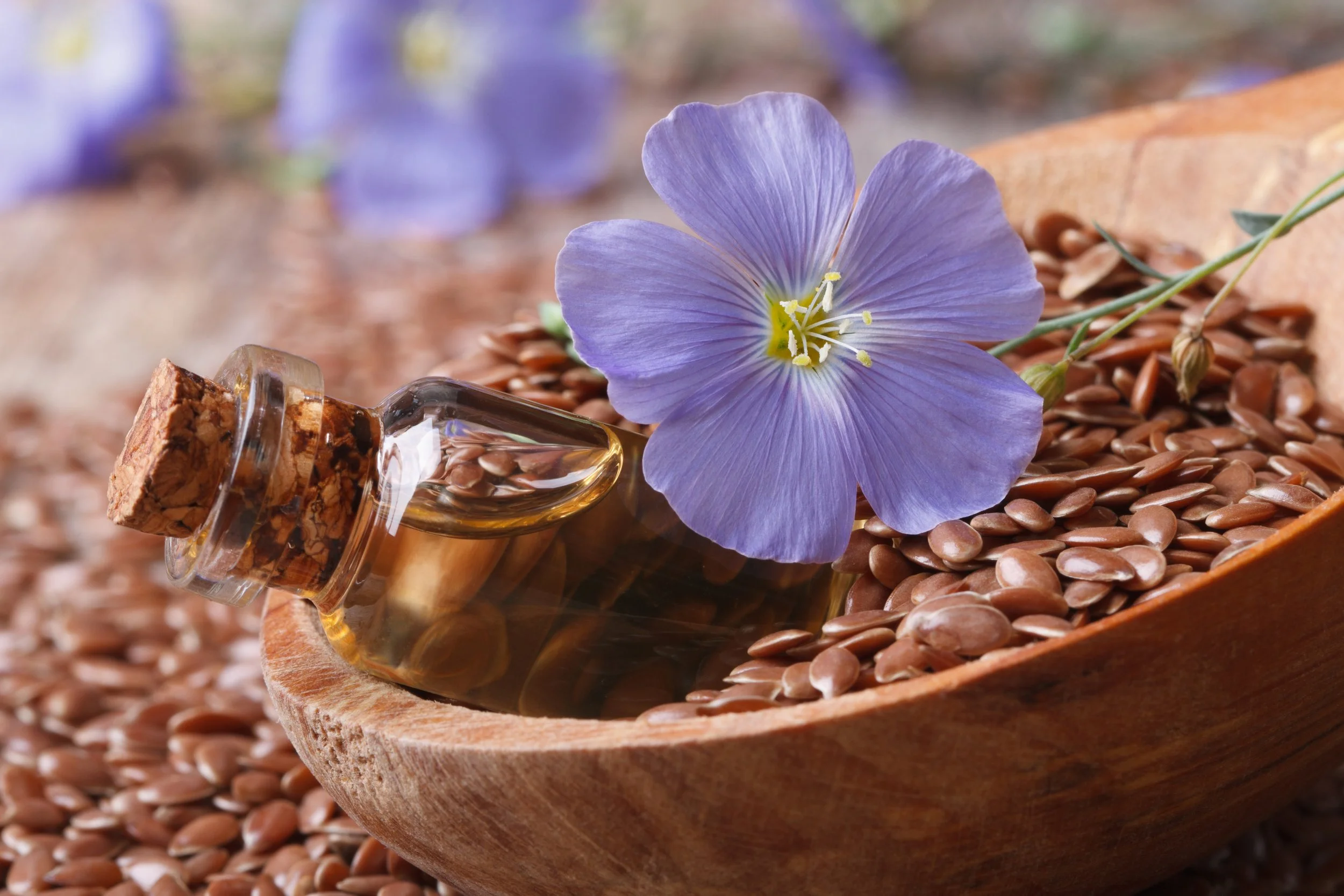
For oil flax is characterized by the formation of a large number of flowers in the inflorescence. Moreover, the longer the flowering period and the more fruits (boxes) at this time are formed, the higher the yield potential of oil flax. With a developed root system, this culture is able to use the moisture of the deep layers of the soil and tolerate drought before flowering. This feature of the development of oil flax allows it to grow in many regions of Russia with completely different climatic conditions.
Use in cooking
Recently in the world interest in the use of flaxseed oil in food has increased significantly. This is due to the fact that flax seeds have a higher content of polyunsaturated fatty acids. They are the source of energy in the human body. In addition, flaxseed is a source of high-grade vegetable protein, acids (including Omega-3), vitamins, trace elements and fiber.
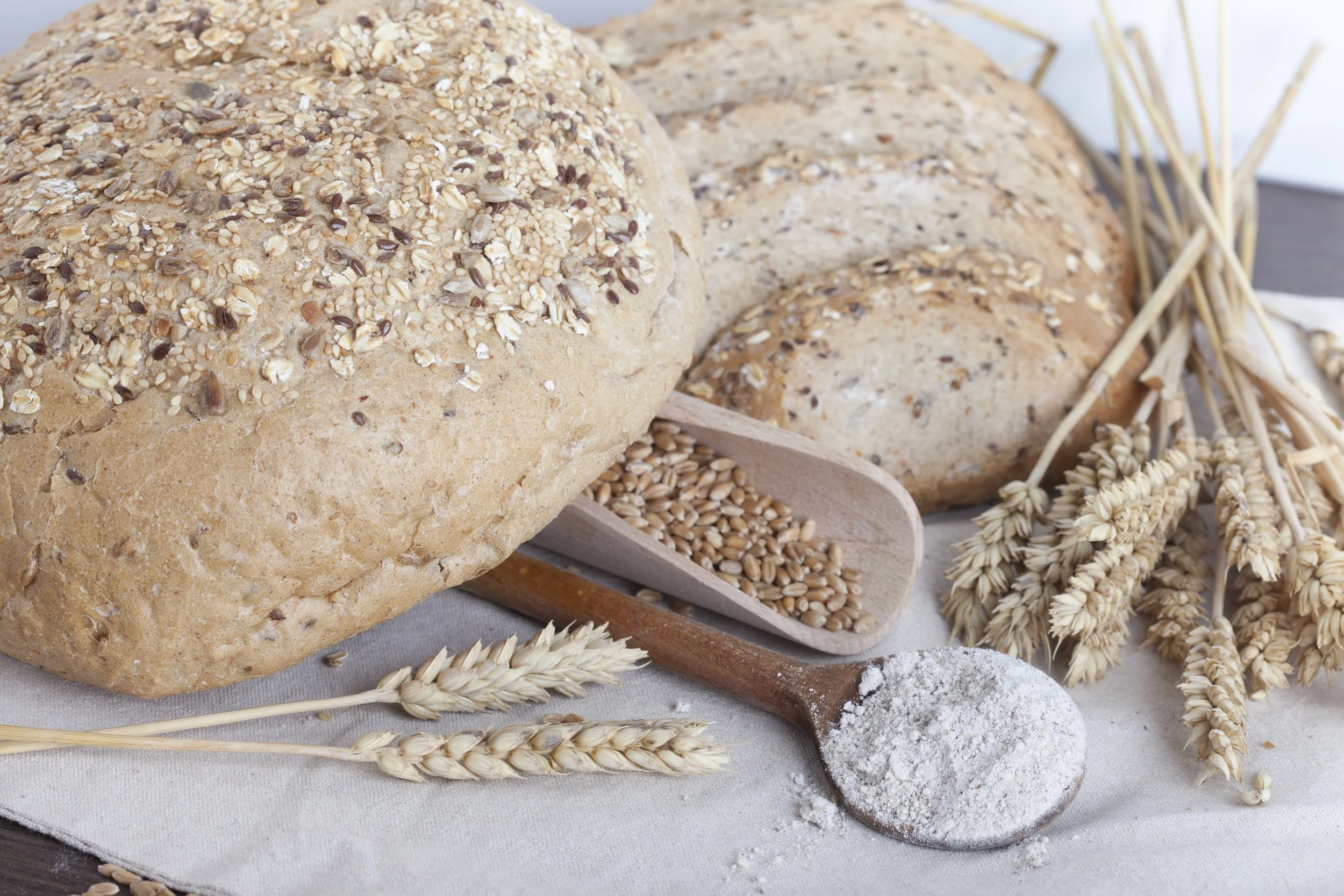
Flaxseed has a sweetish sesame-like taste. In cooking, flax seeds are used in the form of butter, as well as whole and in finely divided form. Whole flaxseed is used as a popular additive to various types of bread and cereal mixtures, for sprinkling confectionery. Flax product compatibility with most dishes greatly expands the range of its application in cooking.
Medicinal Properties
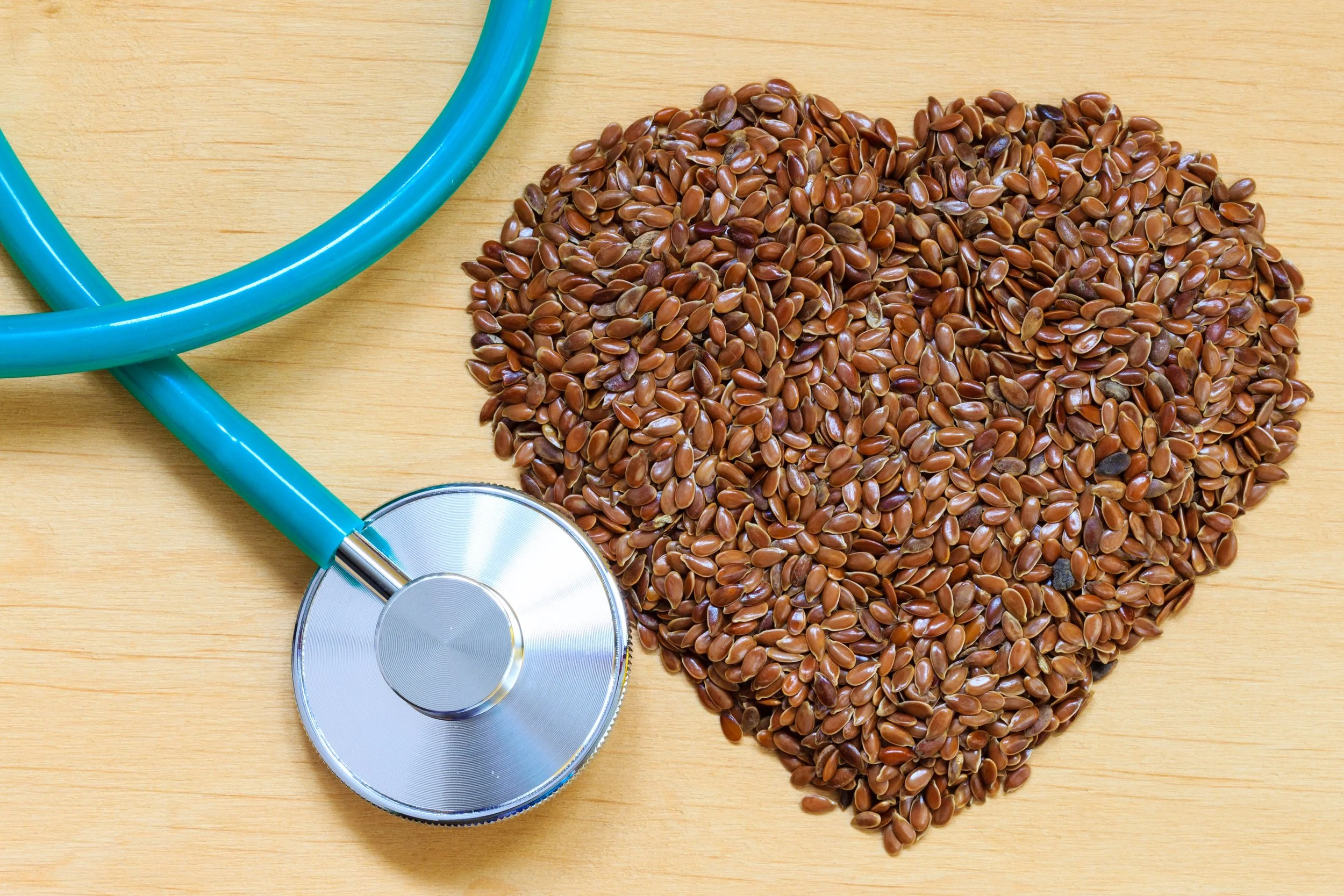
Flaxseed oil is recommended for use in food also in connection with its active therapeutic and dietary components - polyunsaturated fatty acids (Omega-3, Omega-6), including linolenic triglycerides. The varieties of flax with its lowest content in the seeds are used in the future for the manufacture of oils, edible. Flaxseed oil is used in healthy nutrition and complex treatment of many diseases as a source of indispensable vitamin F, the deficiency of which adversely affects health.
Flaxseed oil has pronounced therapeutic and prophylactic properties for metabolic disorders, atherosclerosis, cancer, diabetes, various skin diseases. With regular use, it helps reduce blood cholesterol levels, reduce the likelihood of blood clots and tumors, and also has a rejuvenating effect. In addition, it plays an important role in the prevention of cardiovascular diseases. As for flaxseed infusion, it also treats burns, gastritis and dyspepsia.
Application in other areas
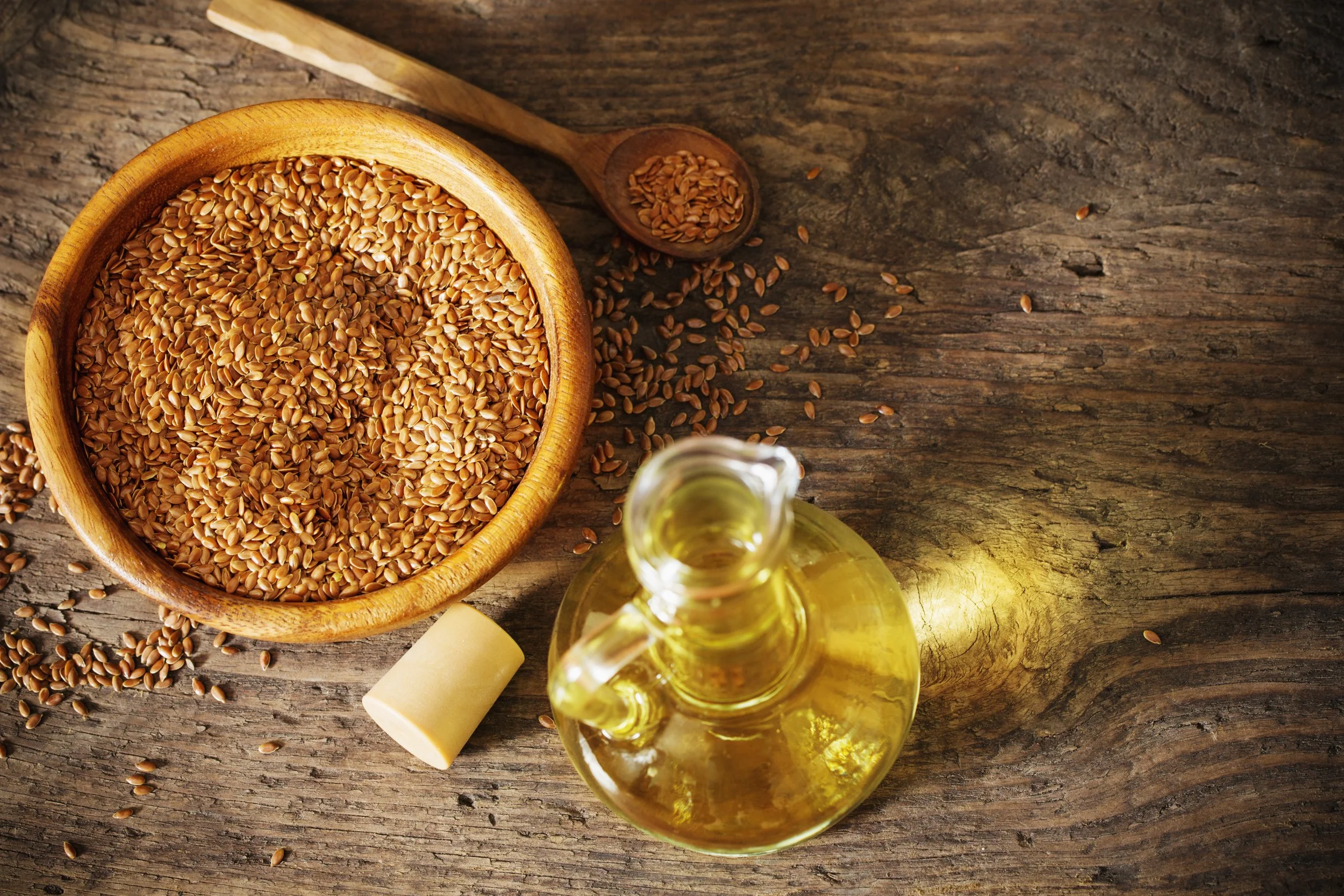
From flax seeds also receive oil for technical purposes. Linseed oil is fast drying and is considered the best for the production of varnish, varnish, natural linoleum, oil and printing inks. For using linseed oil as a raw material in the chemical industry, it is primarily important to have a high content of linolenic acid (from 55-60%).
Flax is also actively used in animal husbandry. From it get cheap vegetable protein. After extracting oil from flax seeds, there remains cake and meal containing digestible protein. Such a concentrated feed contains from 31% to 37% protein, as well as from 2.5% oil. In the practice of feeding farm animals, flax cake is recognized as one of the best