
Mustard
Mustard is a spicy aromatic annual plant with a height of 40-50 cm. The leaves are simple, they decrease as the stem grows. Flowers are clustered in corymblane, yellow. The fruit is a linear pod, thin, with intertwining veins on the wings and a thin nose. Seeds are small, globular, black-gray, brown or pale yellow.
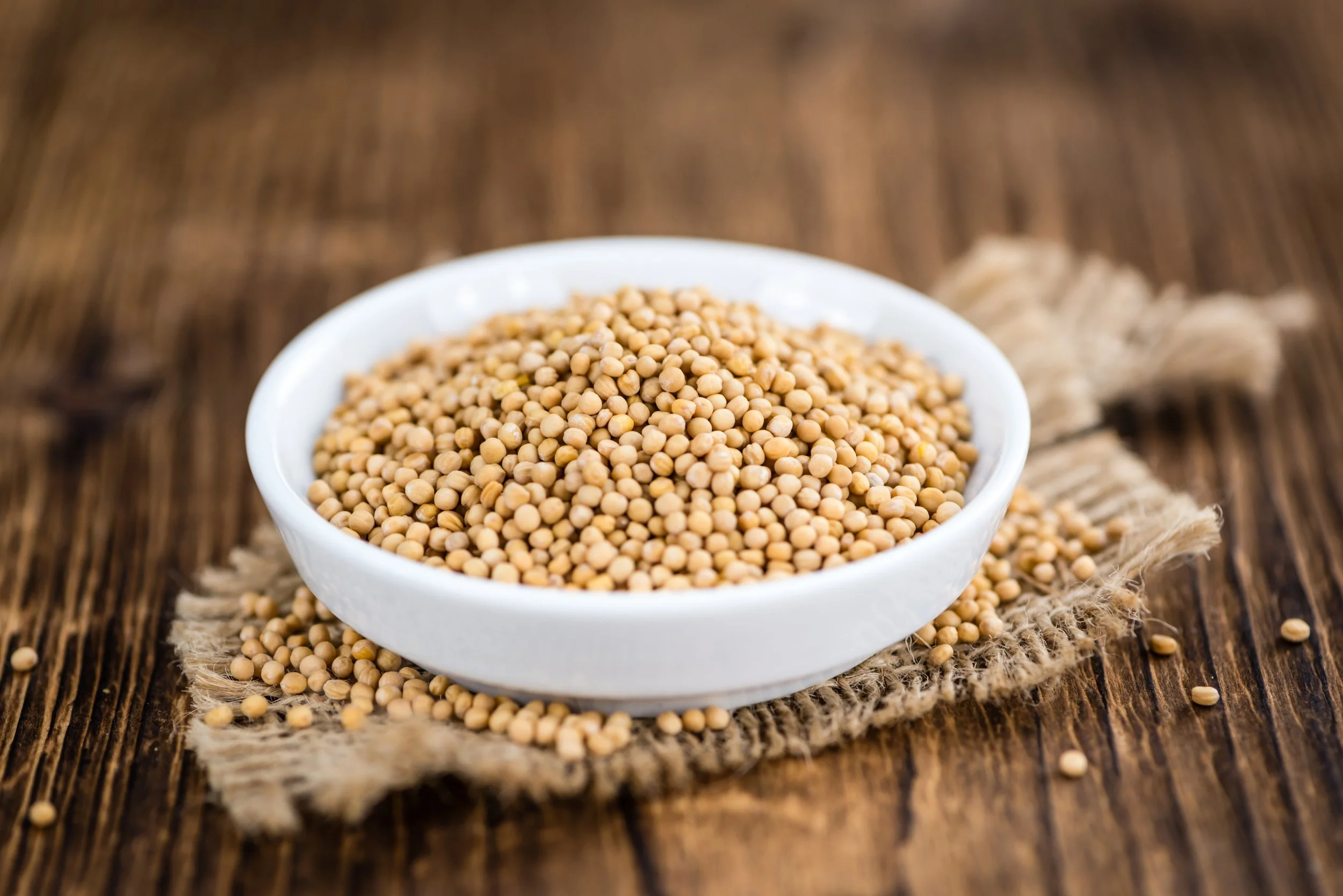
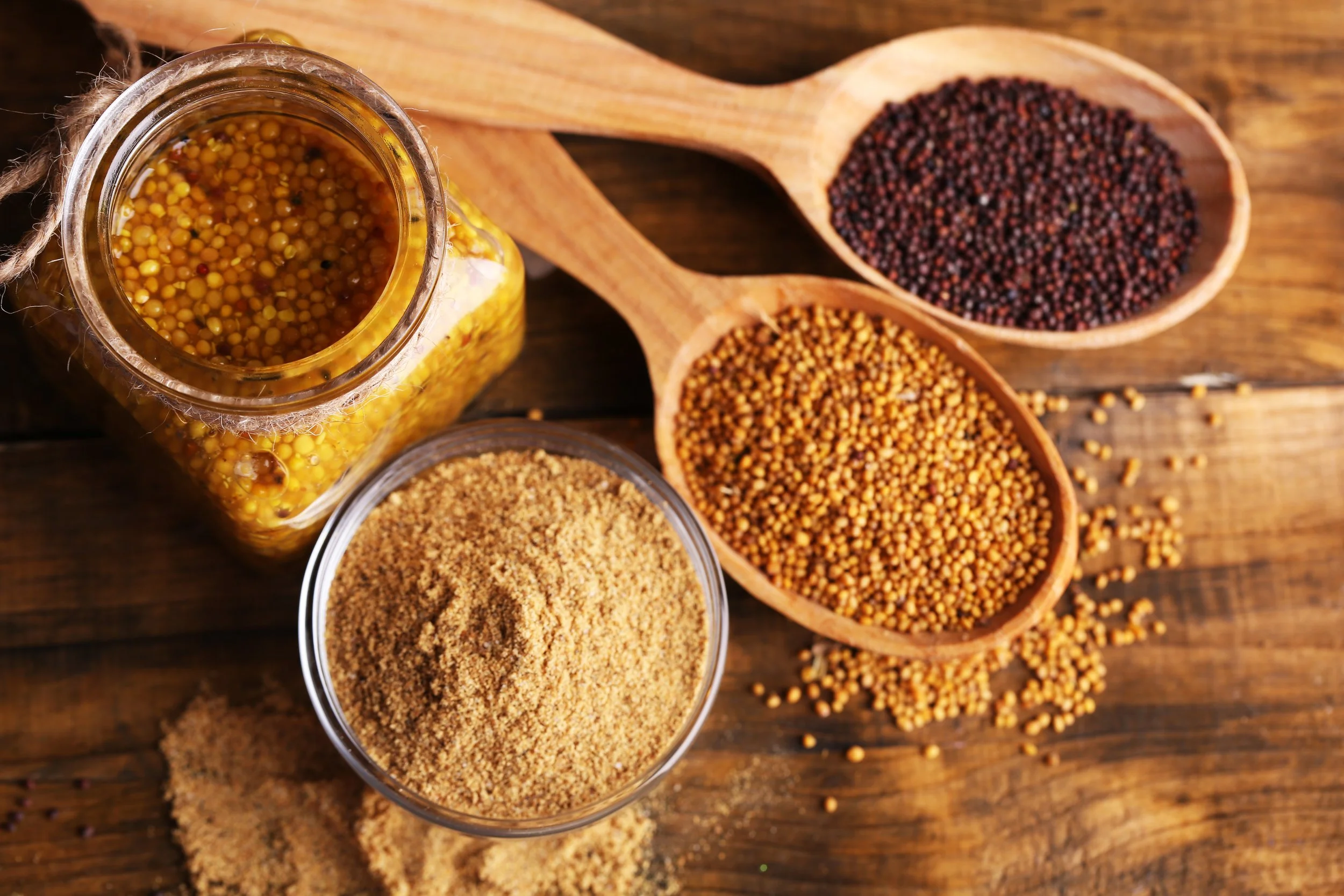
There are many varieties of mustard, and the most famous are white, yellow and brown. White mustard comes from the Mediterranean region, brown - grew at the foot of the Himalayan mountains. Mustard seeds are mentioned in ancient Sanskrit manuscripts that date back five thousand years. The ancient Greeks used mustard seeds for cooking, and the Romans invented the usual mustard paste.
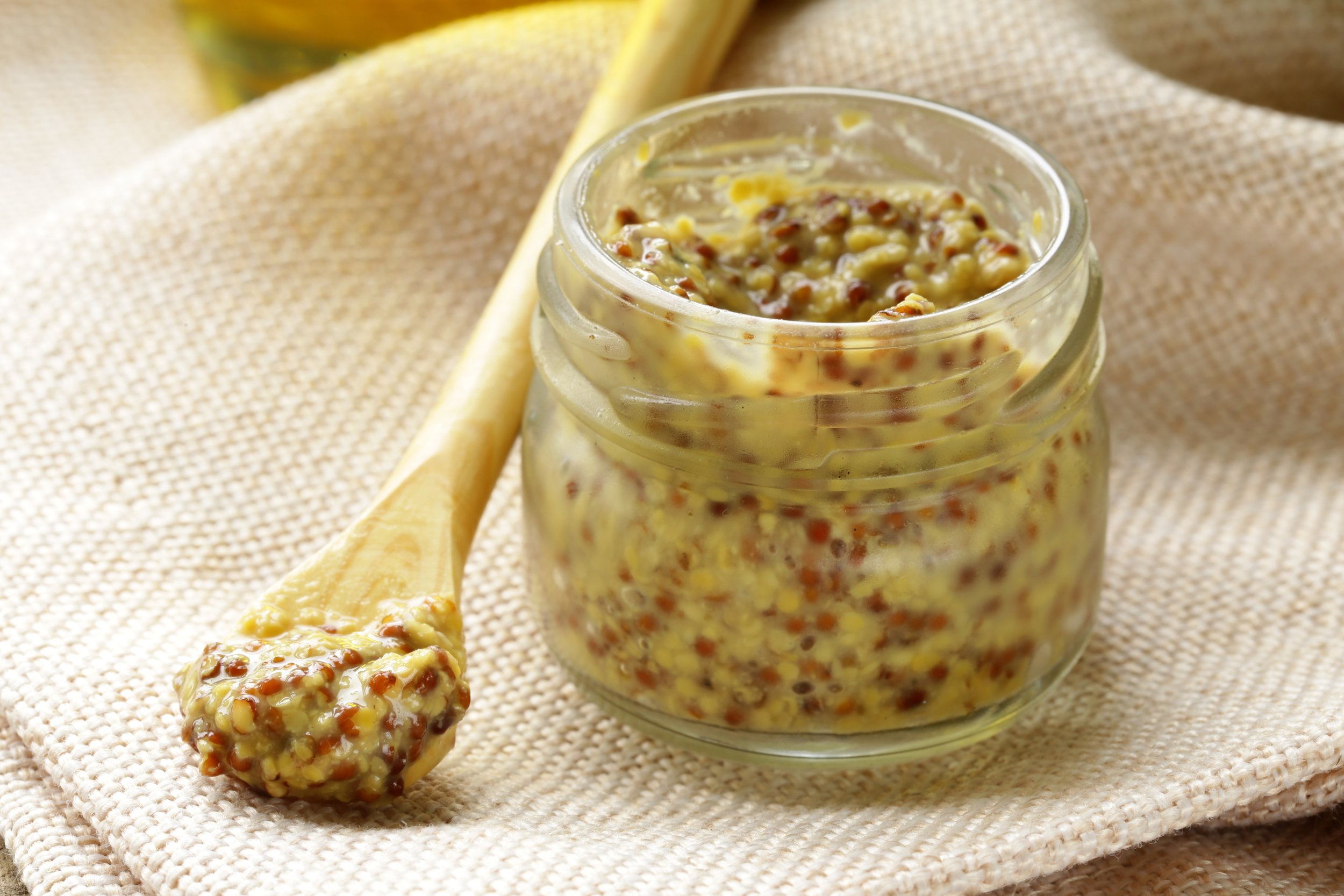
Ready mustard tastes spicy with a hint of tart. It is perfect for meat, fish, vegetable dishes, as well as for snacks and sandwiches.
The composition of mustard
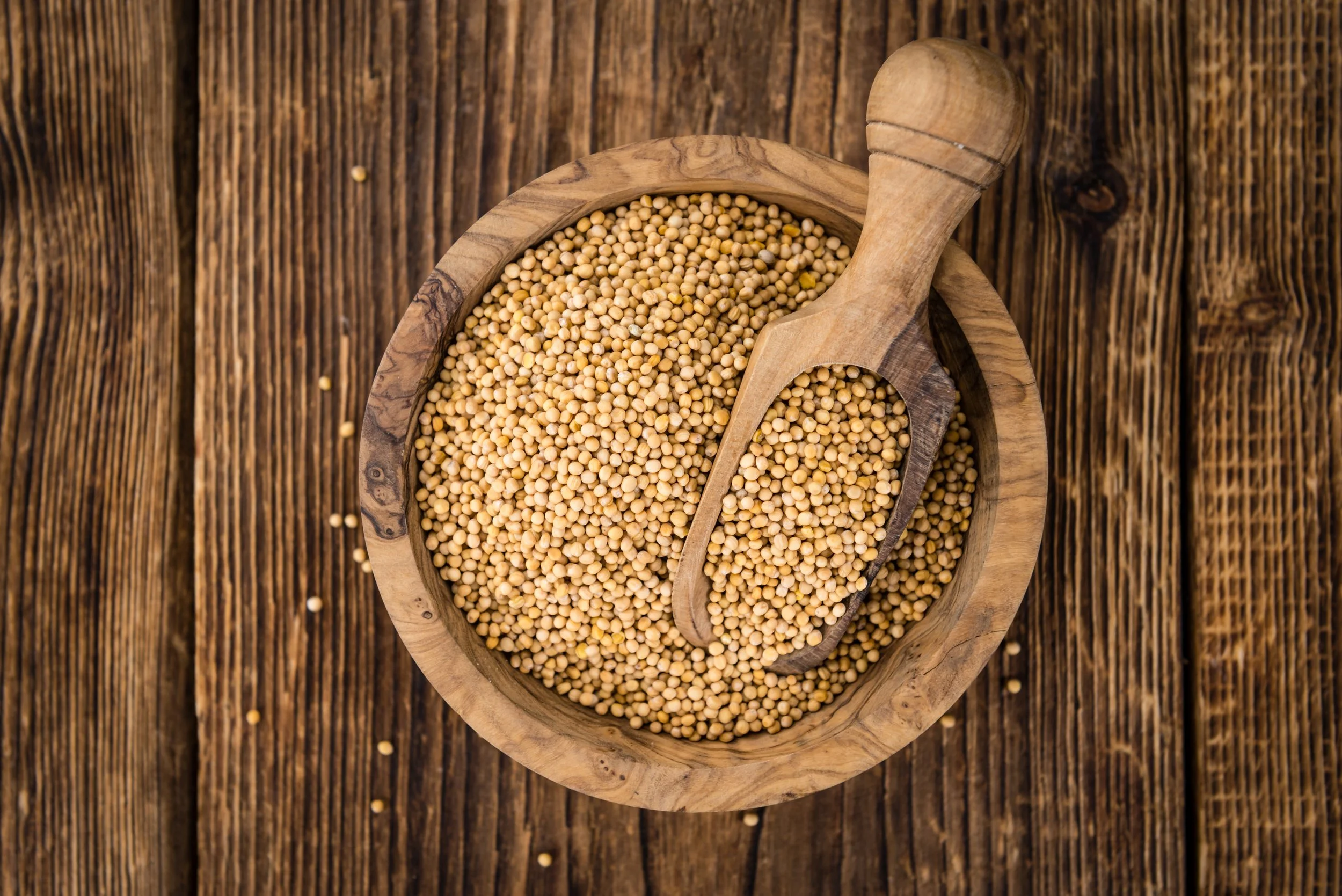
Mustard seeds, from which mustard is made, contain protein (more than 25%), fats (up to 35%, in the bulk are unsaturated fatty acids), essential oil. As well as micro and macronutrients: potassium, zinc, magnesium, iron, calcium, sodium. The composition of the seasoning includes enzymes, mucus, glycosides, dietary fiber.
Mustard also contains many vitamins: B, E D, A, the latter being stored in it for more than six months. The fatty component is erucic, linolenic, oleic, linoleic, arachis acid. Glycosides sinalbin and snigrin, which is in mustard, help in the treatment of cough and bronchitis.
Impact on the body
Mustard is good to eat for appetite, it improves the digestion of protein foods, while activating the metabolism, salivation improves. The benefits of mustard are well known for losing weight, the ability to break down fat leads to the fact that people who lose weight not only eat mustard, they also use body wraps and masks for it.
The main beneficial properties of mustard are its antimicrobial, anti-fungal and anti-inflammatory effects. The bulk of the microbes that are in the stomach, "afraid" of mustard. Also, mustard has an antioxidant, laxative and enveloping effect. The burning property of this seasoning is widely known. When using it, it is necessary to observe the measure, otherwise the mustard in a large amount can be harmful: it can burn the mucous membranes of the digestive system, cause skin irritation. Therefore, with extreme caution should be used mustard persons suffering from ulcerative lesions.
It is very useful to eat mustard during colds, it helps with coughing and laryngitis, it is widely used as a warming and irritating agent that increases blood circulation in the body. With a strong and prolonged runny nose, mustard powder is poured into socks for the night and make mustard baths for the feet.
Medicinal Properties
After squeezing edible oil from the seeds, the cake remains - mustard powder, the raw material for making mustard plasters and the mustard antirheumatic adhesive. Various mustard plasters are also used in the treatment of bronchitis, pneumonia, neuralgia, and also used for radiculitis, gout, and neuritis. In addition, mustard powder is also used to wash oily scalp and strengthen hair.
Mustard is widely used to treat skin diseases such as psoriasis and neurodermatitis. Mustard also benefits the nervous system, its use stimulates blood circulation in the brain, enhances mental acuity and improves memory.
Cooking Application
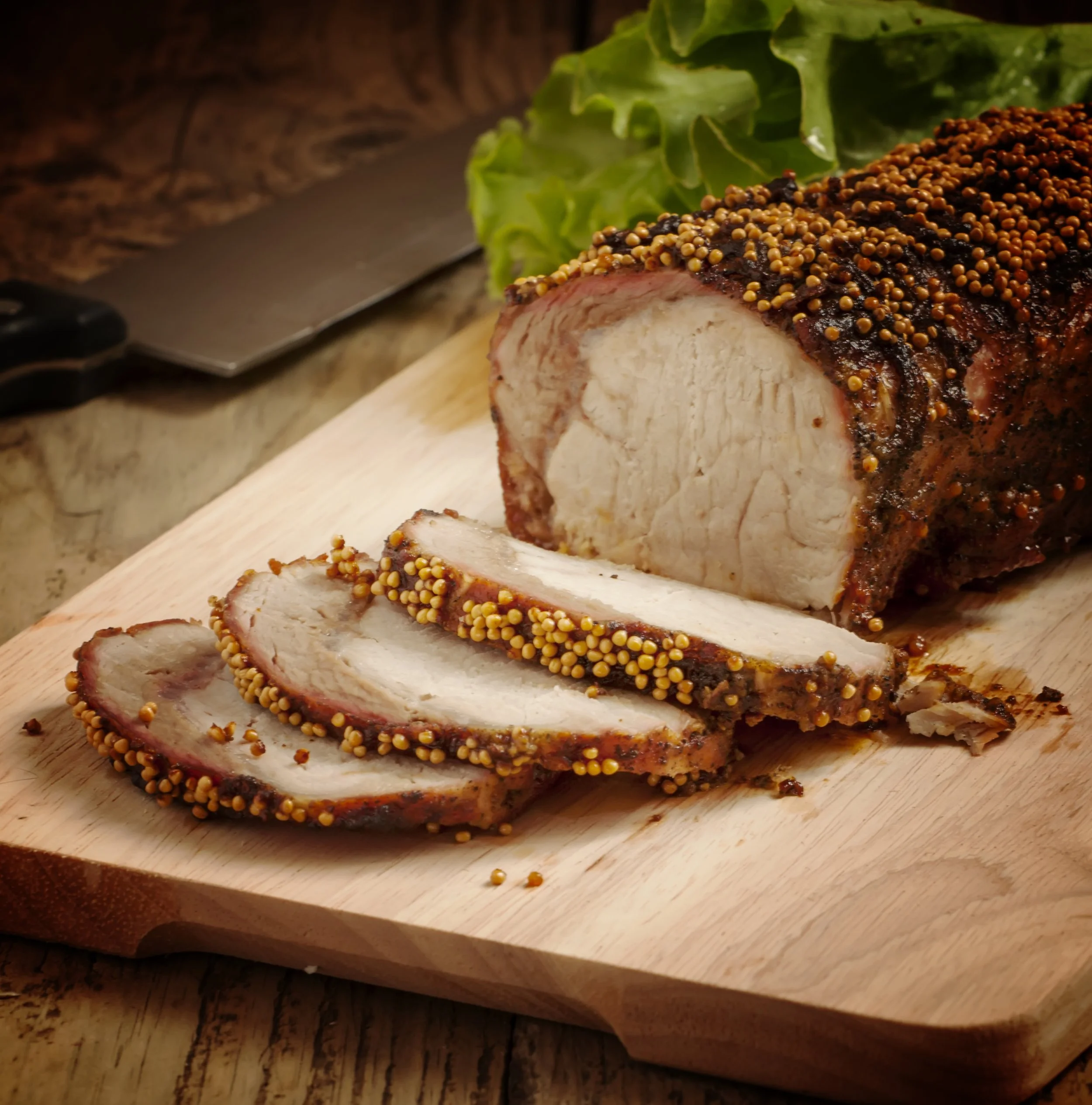
Mustard is not only a plant, but also a seasoning of the same name that can whet your appetite and make any dish more tasty and fragrant. Depending on the variety, as well as on additional components, the spice can be hot, sour, hot and even sweet. Seasoning, made from mustard, goes well with meat dishes, helps to absorb proteins and fats.
When frying meat, the mustard breading not only improves its taste, softens and prevents the juice from flowing, but also forms a beautiful golden crust, acting as a preservative, preventing the development of bacteria. Mustard itself is a part of mayonnaise and various dressings for salads and sauces. In addition, mustard seeds are often used in pickling and canning, giving the pickles a special touch of originality.
Mustard oil
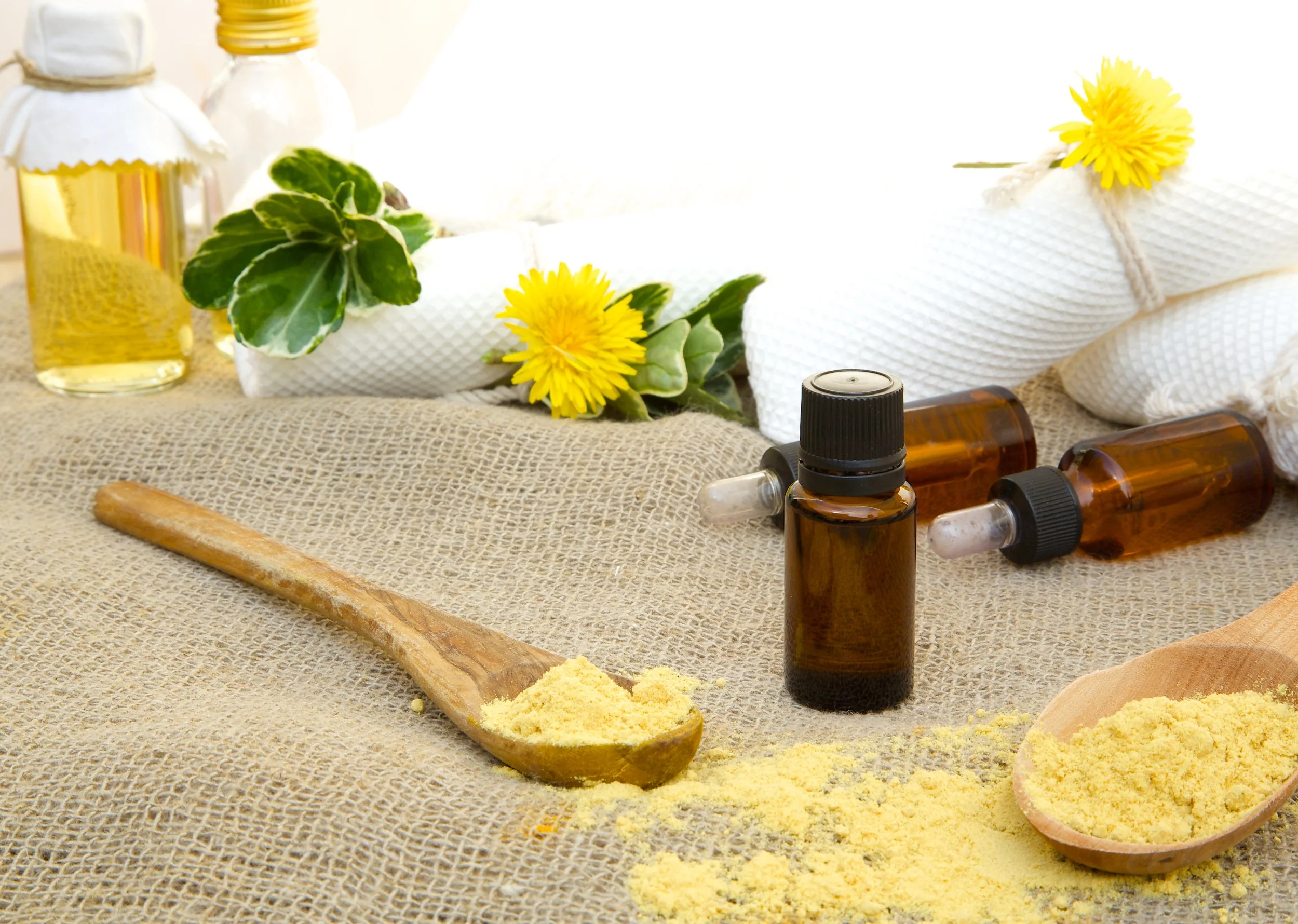
Mustard oil has an original pleasant taste and a wonderful aroma. It contains beta-sitosterol, choline, chlorophylls, nicotinic acid, vitamin A, E, D, B6, PP, K, and R. In addition, the oil is rich in natural antibiotics (isothiocyanates, synegrin, essential mustard oil), therefore it has bactericidal and anthelmintic activity.
Mustard oil is weakly and slowly oxidized, when added to other oils contributes to their preservation. Vitamin A contained in it persists for a long time (up to 8 months), retinol promotes the growth and development of the body, ensures the normal function of the epithelium of mucous membranes and skin, increases the body's resistance to infections. It is also an effective treatment for gastrointestinal and cardiovascular diseases, external wounds, and burns.