
Peas
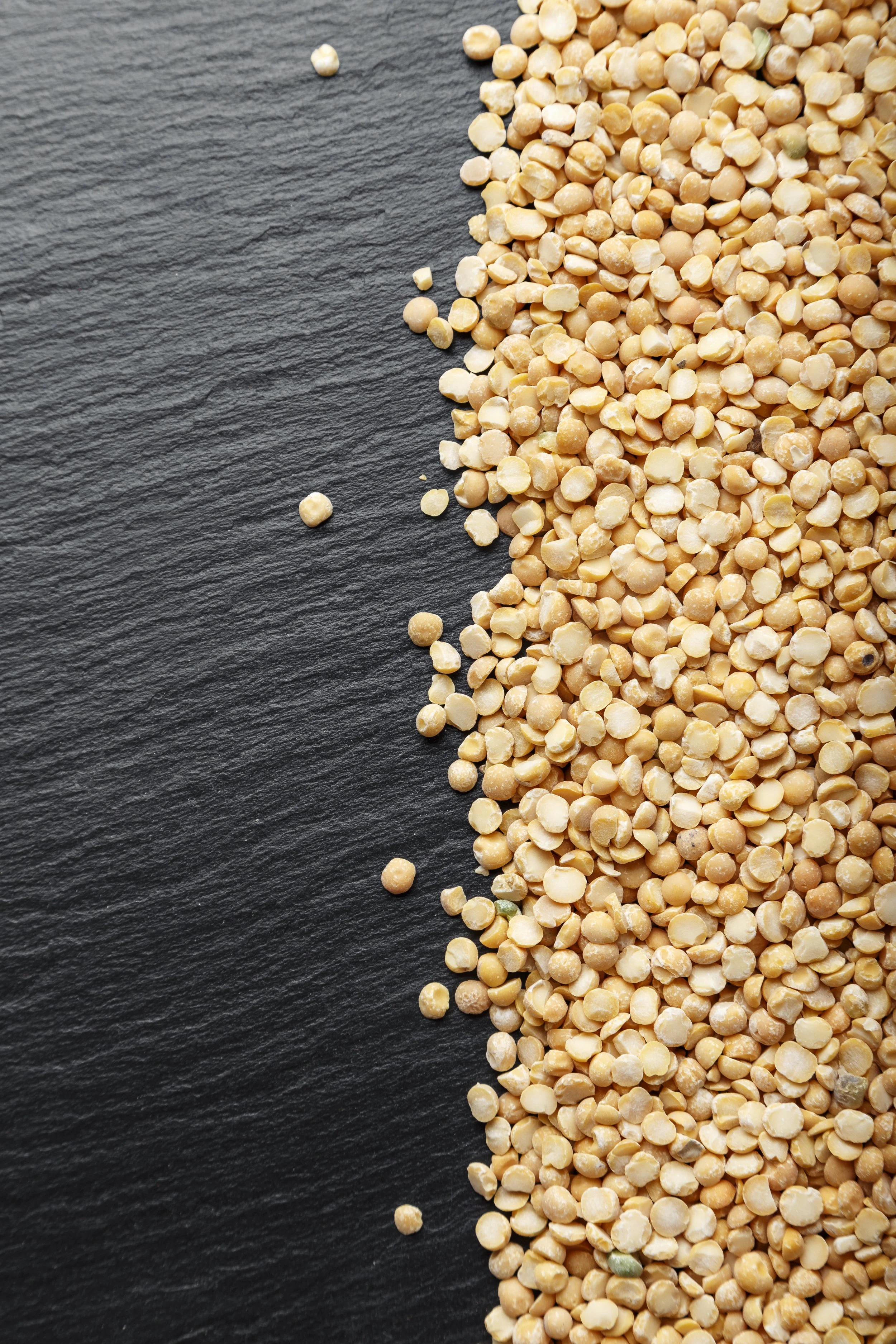
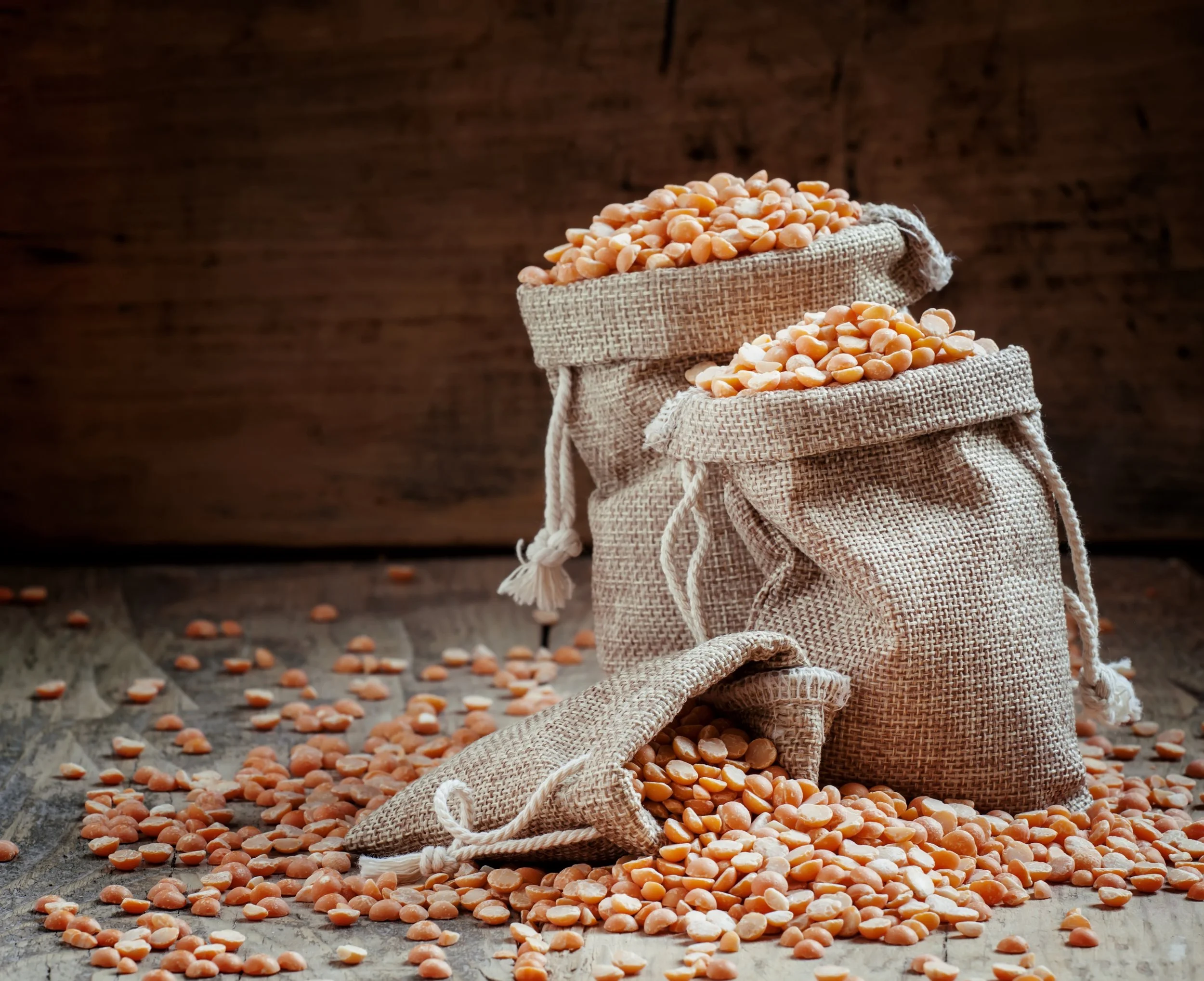
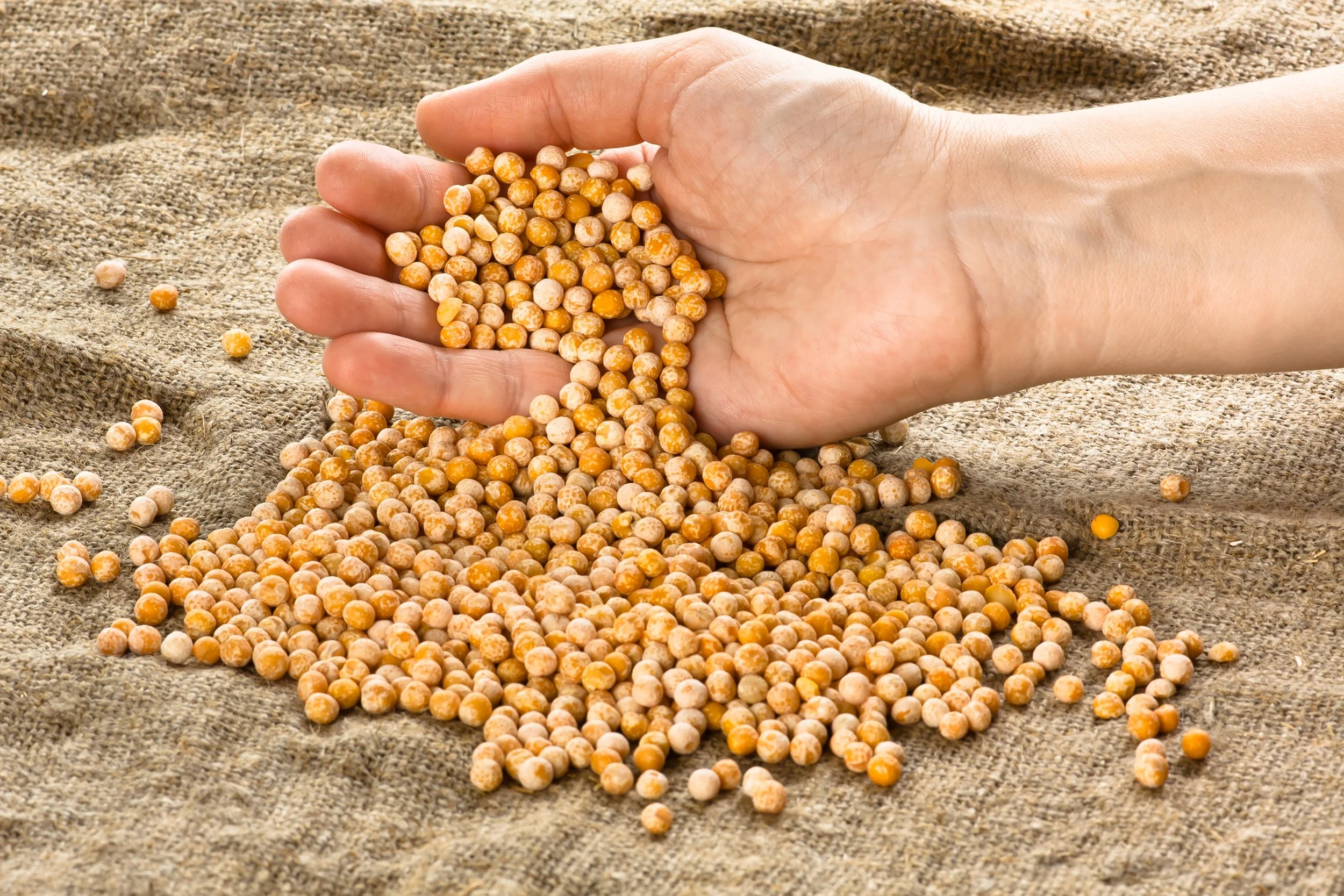
For peas, good fields are usually distinguished for fertilizer predecessors - winter and spring breads, tilled crops (potatoes, corn, sugar beets). Peas should not be placed after other leguminous crops and perennial leguminous grasses, as well as returning peas to the crop rotation field earlier than 5-6 years, because of the danger of being affected by pests and diseases.
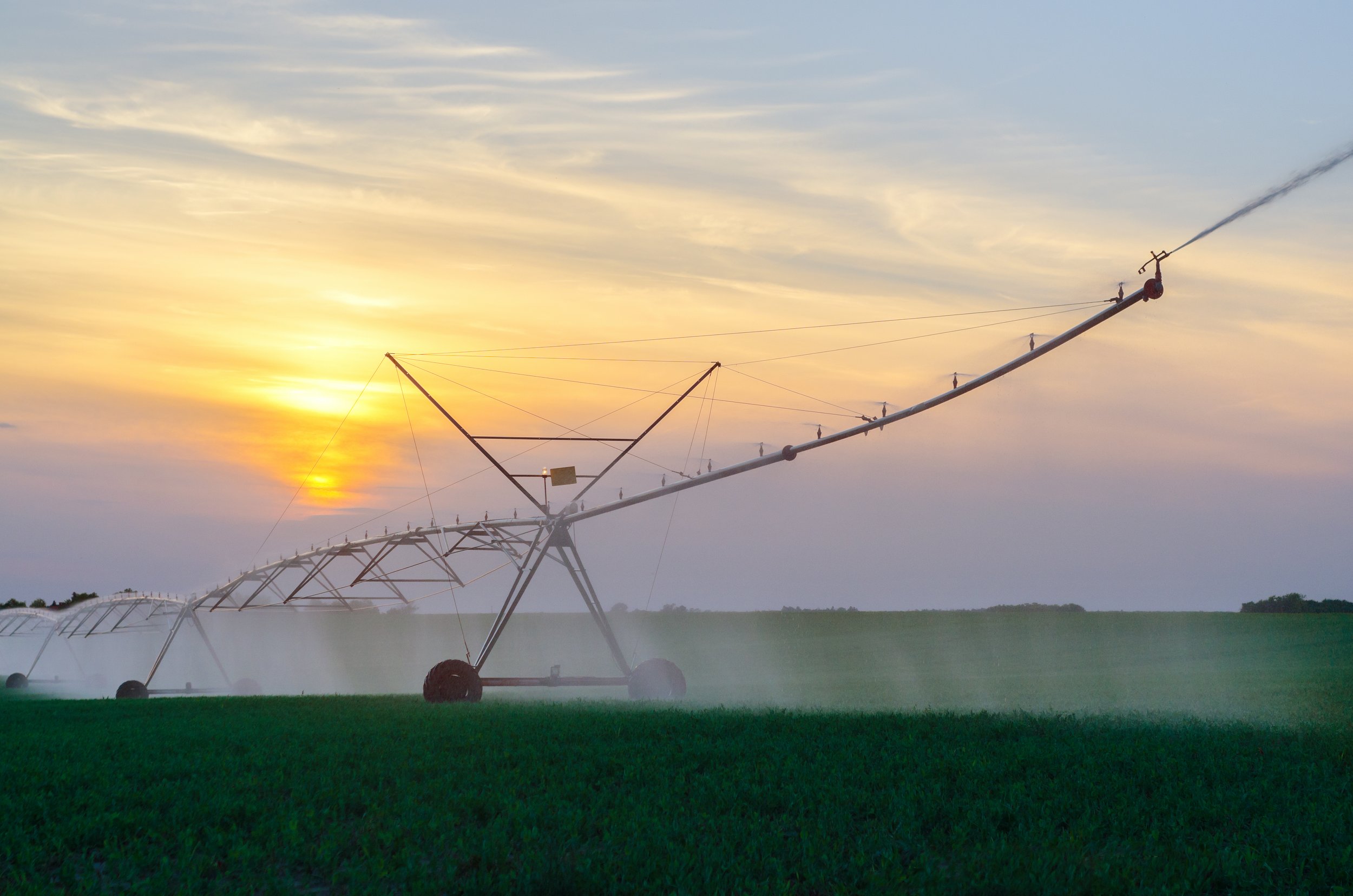
Fertilizer application system
To improve soil fertility, an important agrotechnical method is the application of mineral and organic fertilizers. They contribute to the accelerated and more friendly emergence of seedlings of sown crops, improve the development of above-ground vegetative mass of plants. When fertilizers are better developed root system of crops. For the formation of 1 ton of seeds and the corresponding number of other organs, peas consume nitrogen - 45-60 kg, phosphorus - 16-20 kg, potassium - 20-30 kg, calcium - 25-30 kg and magnesium - 8-13 kg, as well as trace elements - molybdenum, boron and others. Peas use nitrogen unevenly throughout the growing season. Under favorable conditions for legume-rhizobial symbiosis, most of the nitrogen (70-75% of total consumption) of plants can be obtained by symbiotic fixation of air nitrogen. Under optimal conditions of symbiosis, before the sowing application of nitrogen fertilizers is useless.

Soil treatment system
The system of the main tillage depends on the type of crop, its predecessor, field contamination and the period of harvest. After harvesting the winter crops, they begin to peel the stubble to grind crop residues, close moisture and provoke weed seeds to germinate. If the field is littered with root-weed plants, then 2 weeks after the first peeling, the second can be carried out with plowing tools to a depth of 10-12 cm, and then after 8-10 days - plowing with plowers with coulters. In early spring, with the physical ripeness of the soil, they start the pre-sowing treatment of the soil with heavy tooth harrows. Before sowing, the field is cultivated to a depth of seed embedding (6-8 cm), with simultaneous harrowing.
Sowing
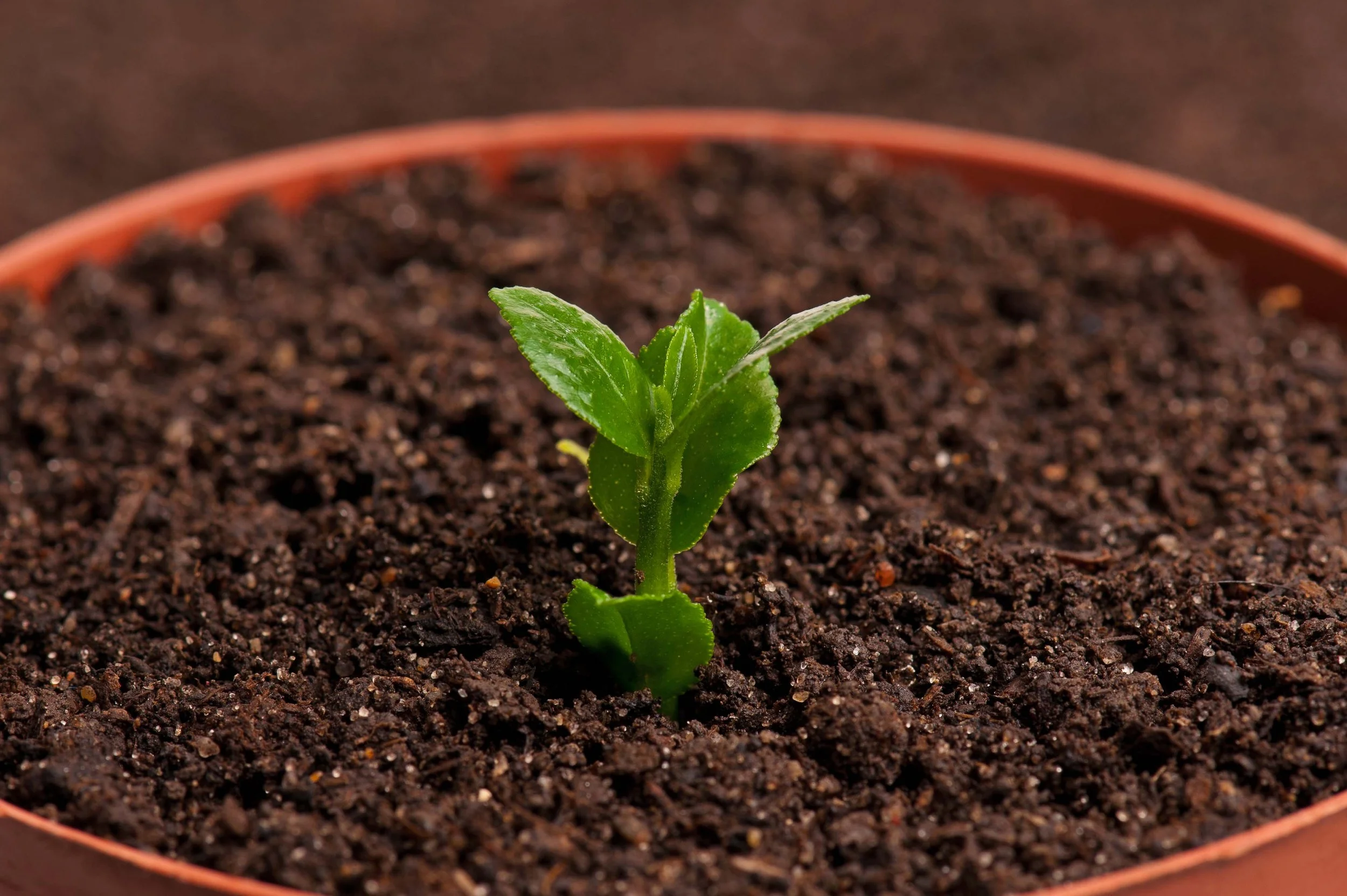
Seeds must meet the requirements of GOST: RS - 99% purity, germination rate - 95%. Before sowing, the seeds, if necessary, are sorted, they are treated with a disease.
Peas are sown at the same time as early spring bread, as it is moisture-loving and cold-resistant. With such a seeding, pea forms the root system and above-ground organs more quickly, less damaged by powdery mildew and aphids. Peas are more often sown with ordinary (15 cm) and narrow (7.5 cm) methods. Sowing depth depends on soil and meteorological conditions. The depth of seeding of pea seeds is 4-6 cm on heavy soils and 6-7 cm on light soils. If the termination turned out to be small, then field germination is greatly reduced. The seeding rate of peas depends on the zone, the characteristics of the variety, the particle size distribution of the soil and other factors. It ranges from 0.8 to 1.4 million viable seeds per hectare.
Care of crops
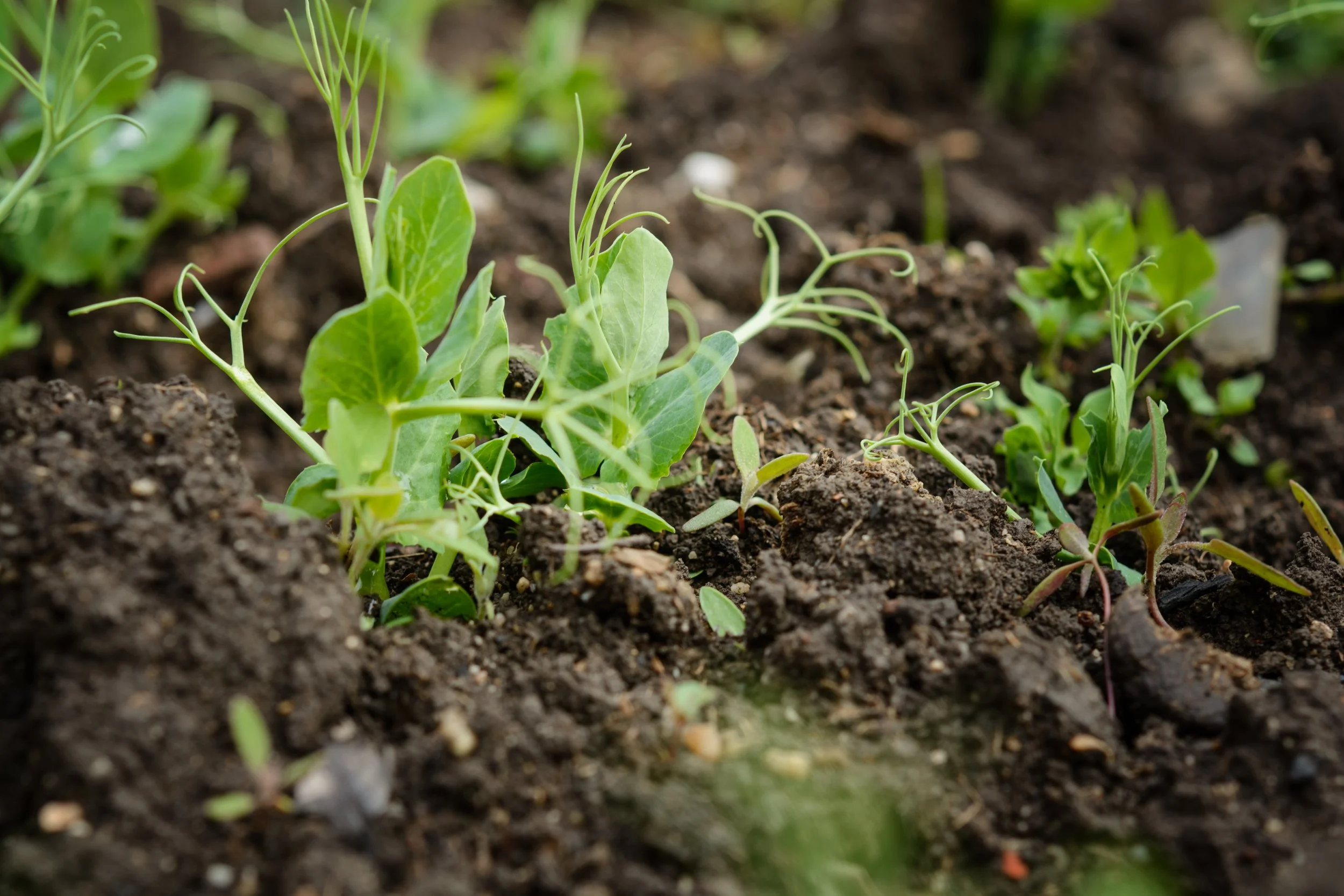
After sowing, especially in dry weather, they are rolled by ring-heel rollers in order to improve the contact of the seeds with the soil and to raise moisture from the lower layers to the seeds. Peas suffer greatly from weeds. 4-5 days after sowing, when weed shoots are in the white thread phase, pre-emergence harrowing is carried out with the average tooth harrows BZSS-1, while 60-80% of annual weeds are destroyed. In the phase of 3-5 leaves, the seedlings are harrowed during the daytime (the turgor state of the plants is reduced). When placing peas at a distance of less than 500 m from perennial grasses, it is damaged by pea aphids.
Harvest
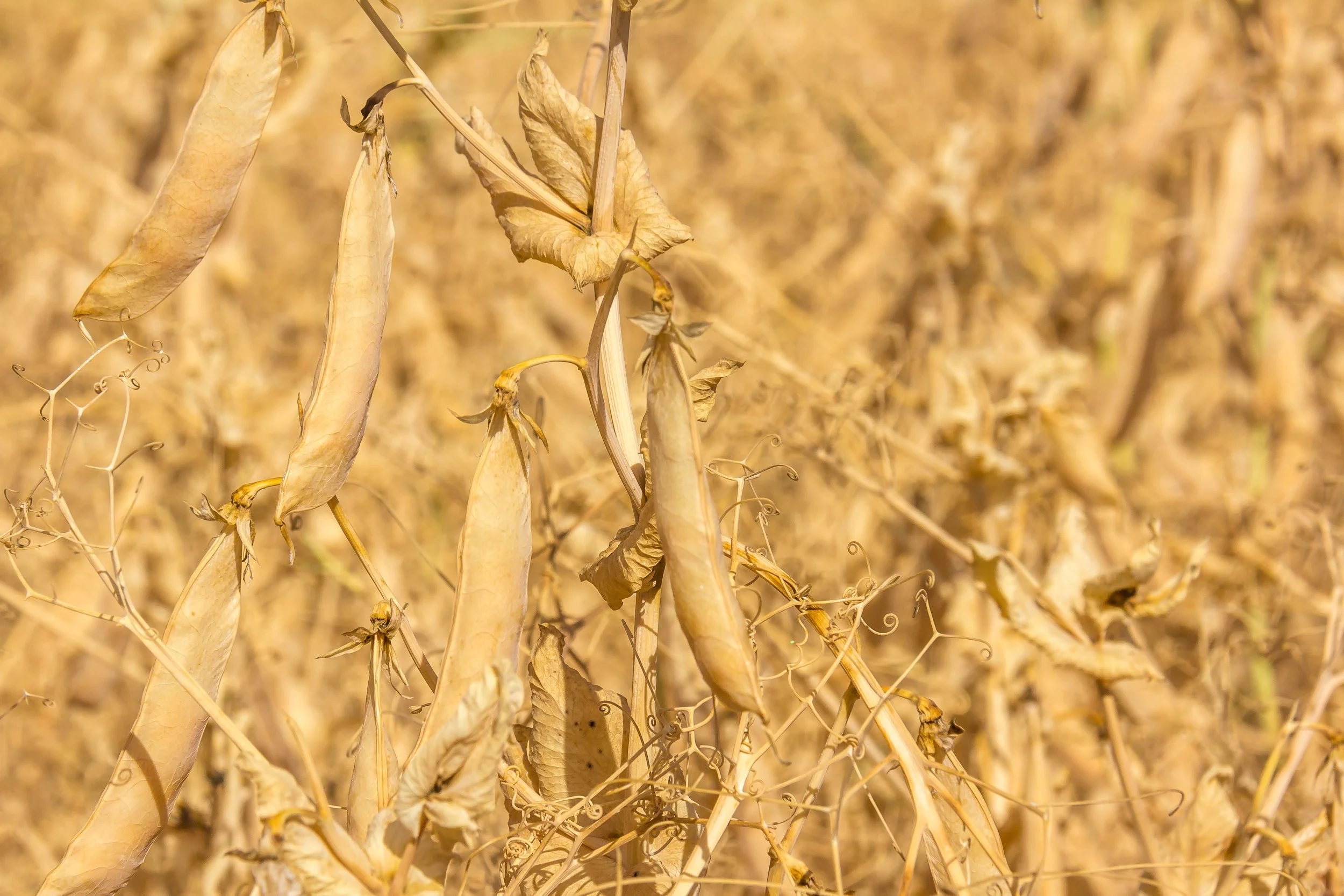
Lodging, as well as uneven ripening of peas makes harvesting difficult, so it is carried out in a separate way. When browning 70-78% of the beans, the peas are cut across the field, and the short (up to 40 cm) - at an angle of 45 ° to it or towards the field. By this time the filling of the seeds ends, their moisture content is 35-40%. Duration of mowing should be no more than 3-4 days, in this case, the loss is minimal. Selection and threshing of the rolls is carried out by grain combines with seed moisture - 16-19% (usually 2-3 days after mowing). When seed moisture is less than 15%, they can break up during threshing, and wet seeds can be severely damaged. Threshing quality is checked during the day. With a dry mass, the gaps of honey with scourges of the drum and strips of the deck are increased, with a wet mass they are reduced. In order to timely remove, without loss and deterioration, the valuable in the feed relation non-grain part of the crop, combines with universal shredders and interchangeable trailers are used for harvesting and transporting straw to the places for harvesting peas.
Cleaning
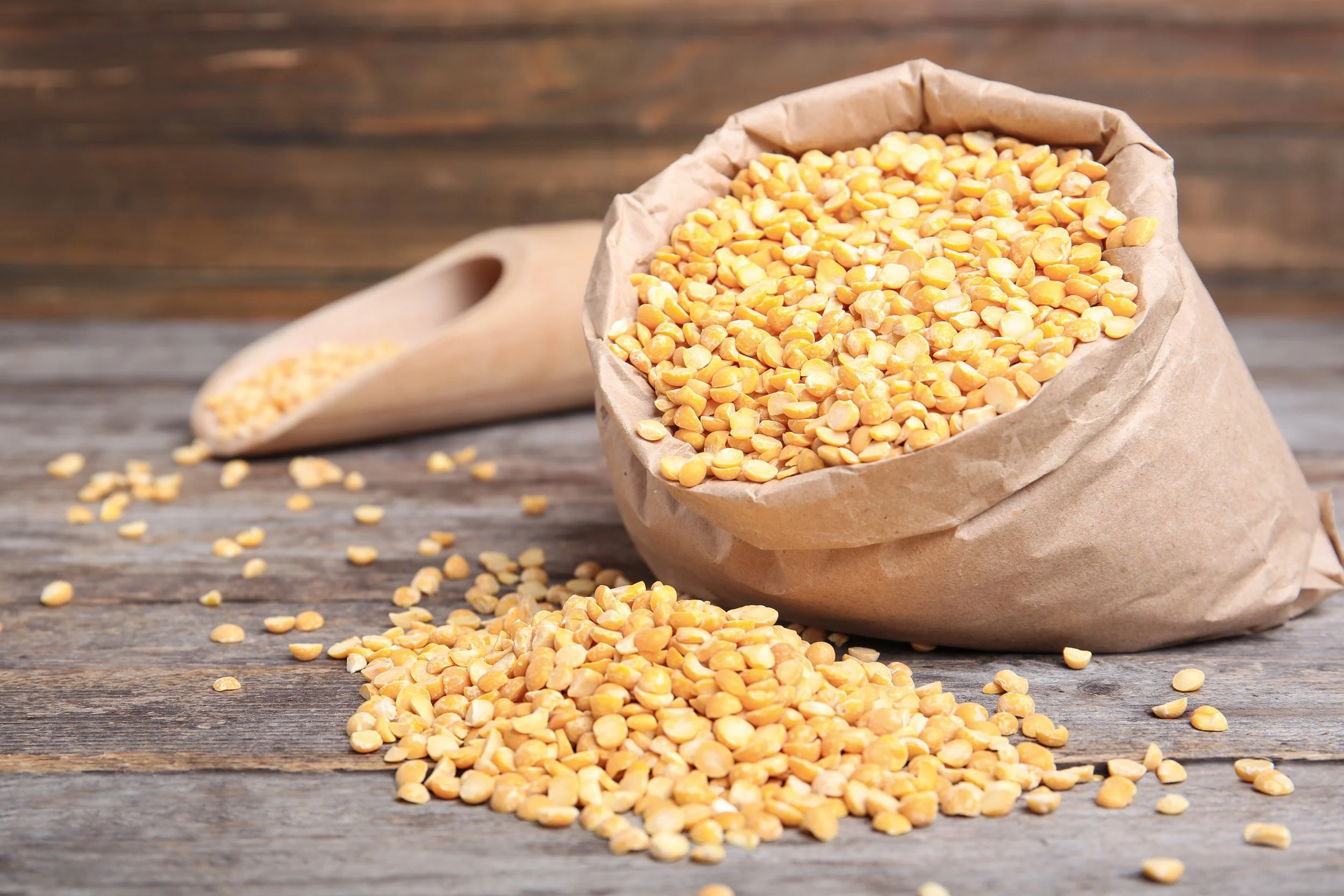
Grain coming from combines is passed through pre-cleaning machines as part of a grain cleaning and drying complex. Further primary and secondary purification of pea grain is carried out by specialized machines. Grain mass entering the primary cleaning should have a moisture content of not more than 18%, the content of weed impurities not more than 8%.
The main event ensuring reliable seed preservation is drying to a standard condition. Seed drying is the most difficult and demanding operation in the post-harvest part-time process. If the grain after cleaning has a moisture content of more than 18%, then it should be dried.
To ensure uniform drying in ventilated bins, it is necessary to periodically mix the seeds by moving from one bunker to another. For these purposes, one bunker is left empty. After drying, the seeds are sorted on air-graded secondary cleaning machines and pneumatic tables, bringing the seeds to the required requirements.