
Flax
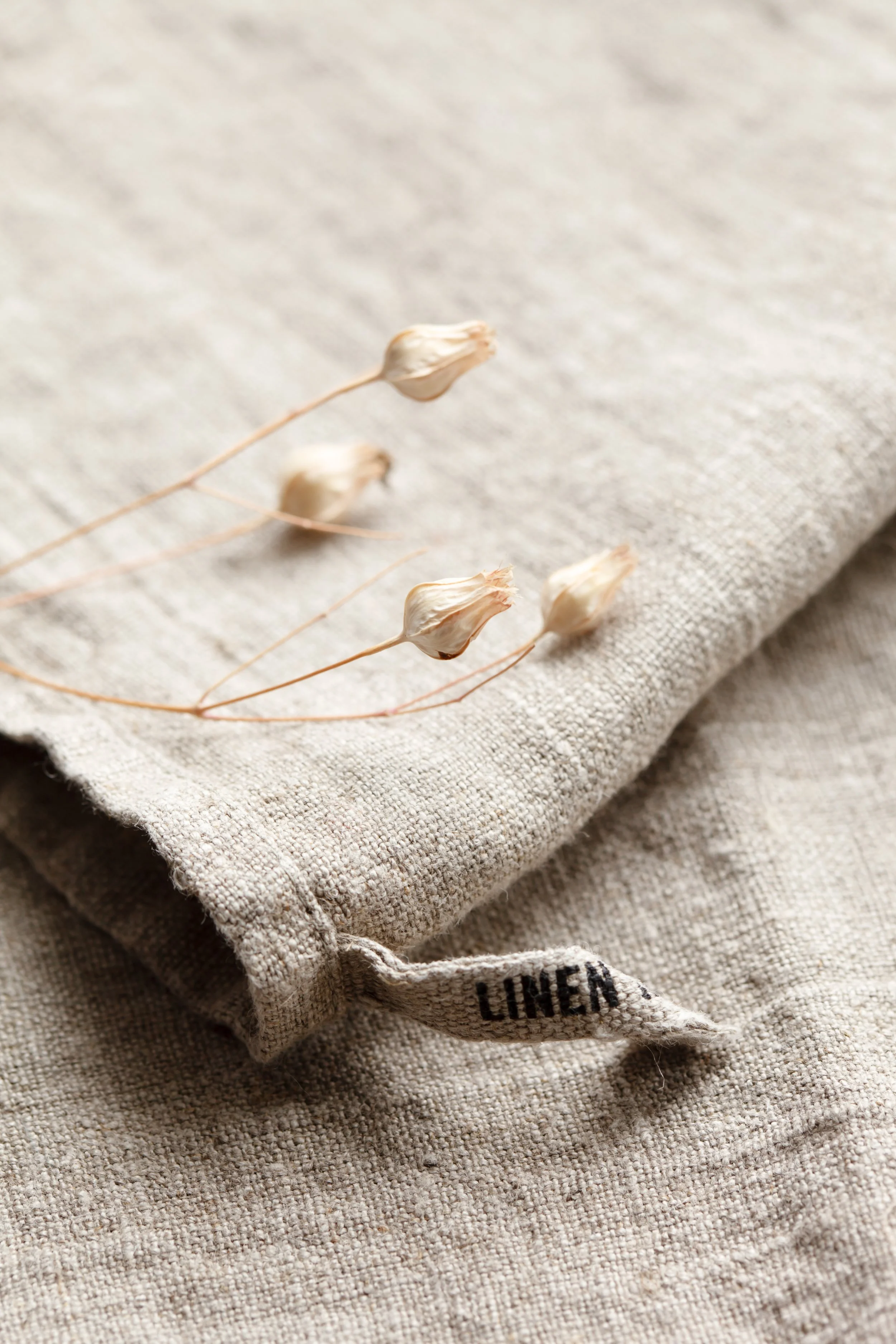
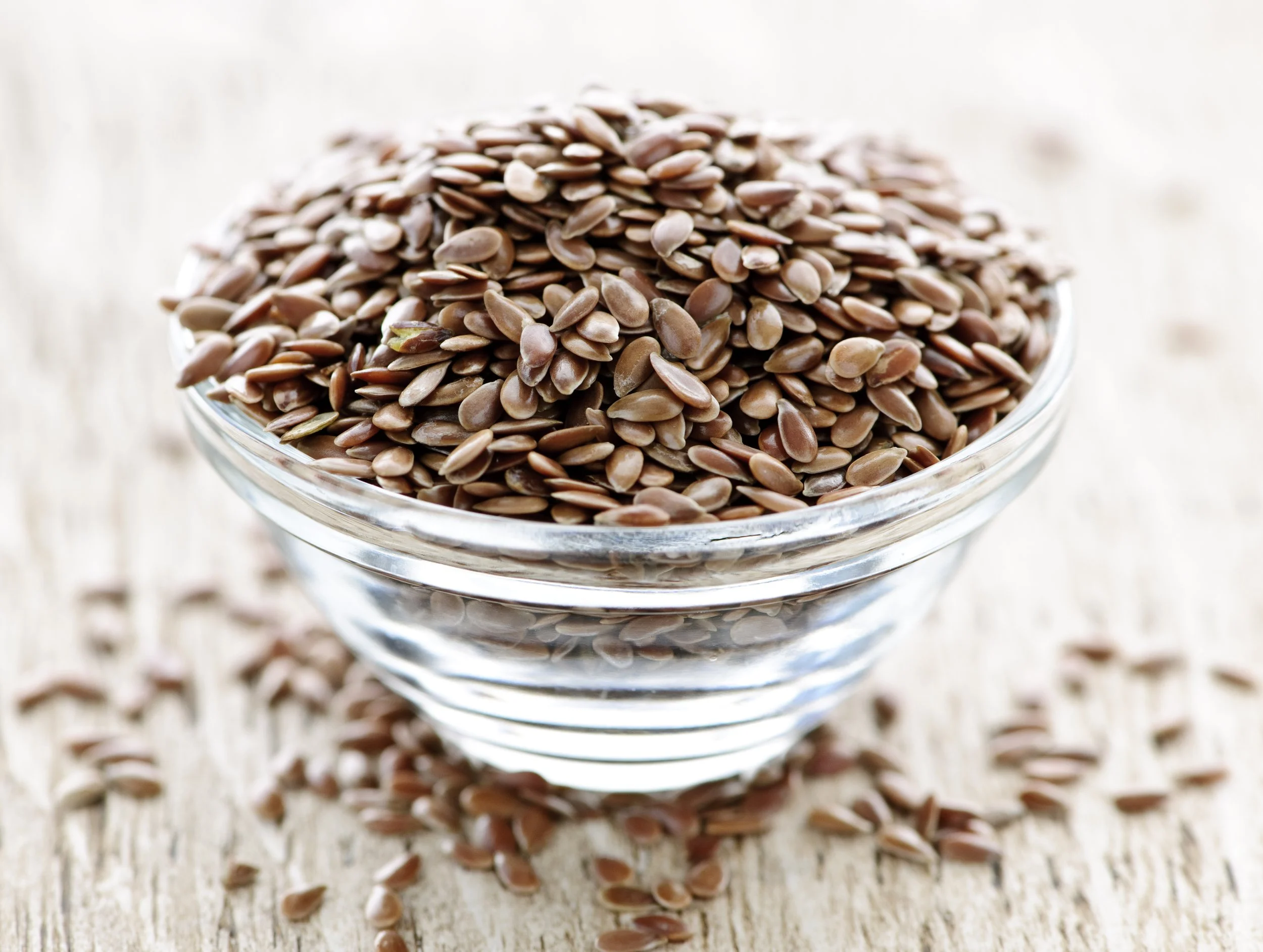
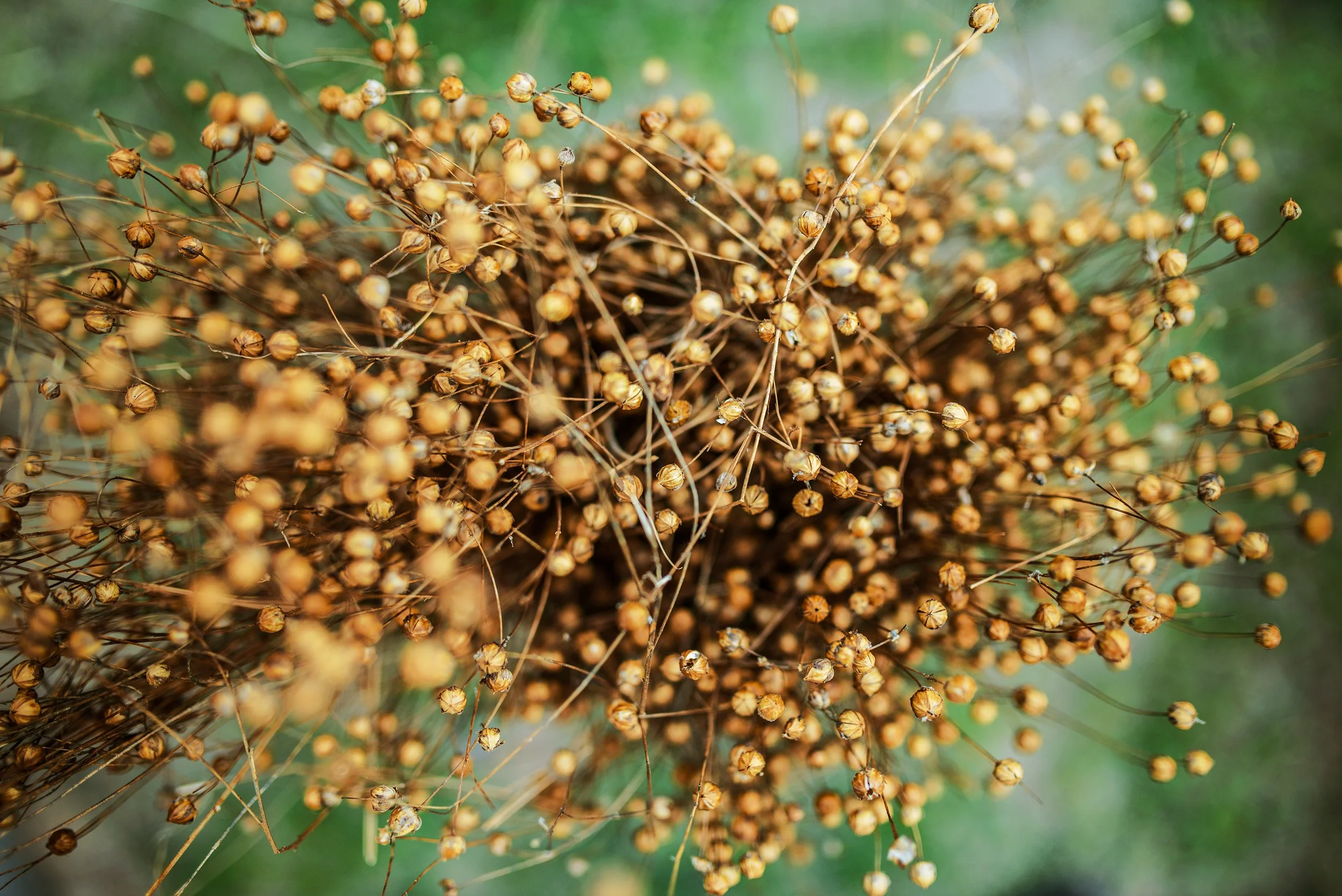
Flax reacts negatively to its cultivation on the principle of monoculture. The most suitable precursors are crops that clean the fields of weeds, leaving behind a sufficient supply of nutrients, organic residues and moisture. It is undesirable to sow flax oilseed after sunflower, castor, rape because of
severe contamination of crops crops of these cultures. The return of oil flax to the former field is recommended after 7 years. For flax characters certain phases of development.
Main tillage
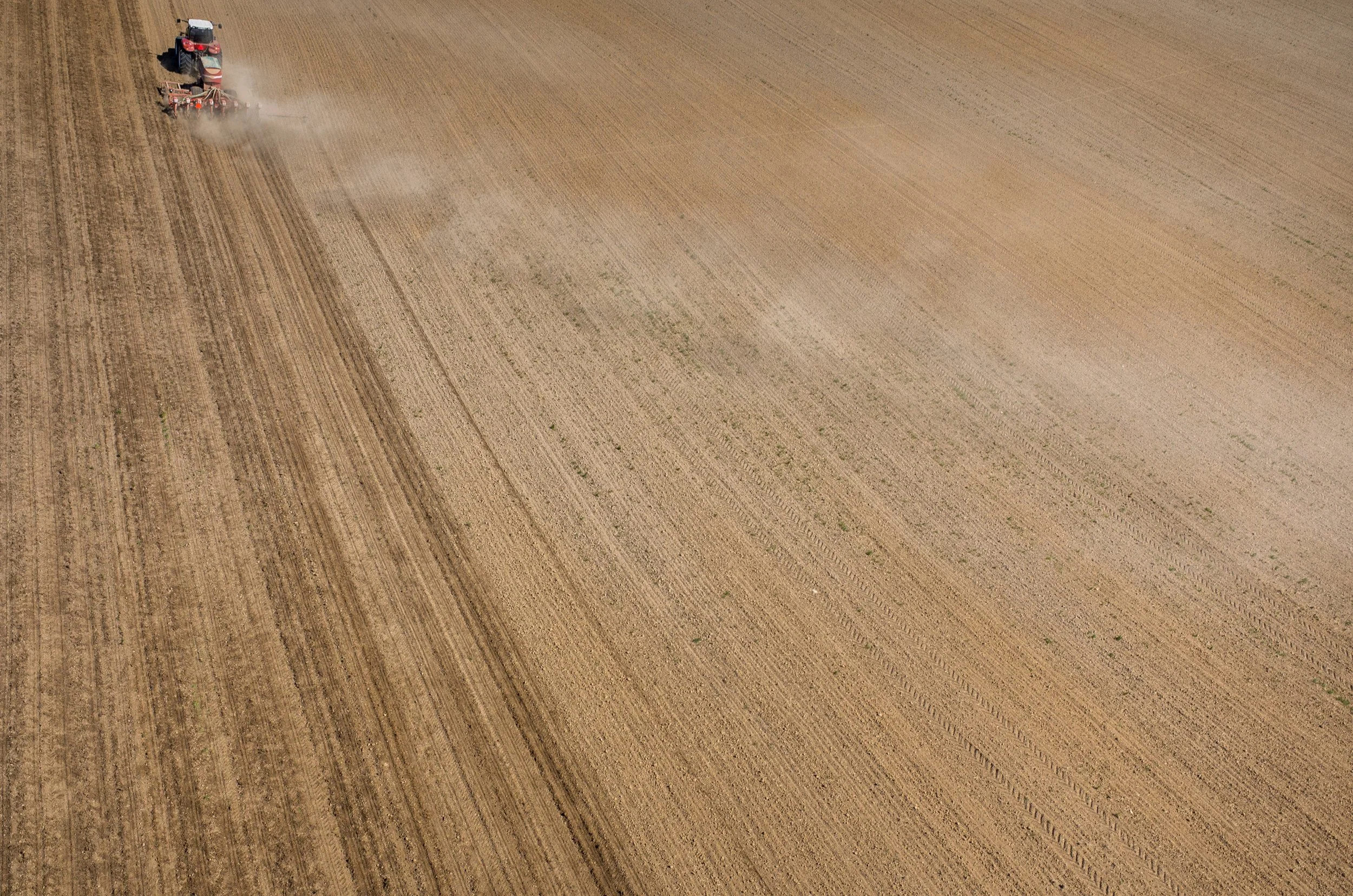
The main tillage should provide: cleaning of the arable layer from weeds, maximum accumulation and preservation of moisture in the soil, creating a favorable water-air, thermal and nutritional regimes for the growth and development of flax plants. In fields that are littered with annual weeds, semi-pair tillage should be used. In the presence of perennial weeds, it is recommended to apply a layer-by-layer tillage, which includes disc stubbing of stubble after the precursor is harvested 6-8 cm. actions. 10-14 days after the introduction of herbicides, plow or flat cutting treatments should be carried out dumping plowing the soil to a depth of 22-25 cm, and then level the field.
Pre-sowing tillage
Tillage for flax includes the main and spring. Last subdivided for early spring and preseeding processing. Depending on the state of the spring, various events can be held. On loose, but not leveled zyabi - leveling and preplant soil compacting; on loose and leveled grasses - pre-sowing harrowing and compacting of the soil; on weed-covered and flat-cut slabs - early cultivation, presowing harrowing and packing of the soil. Pre-sowing cultivation is carried out at a depth of 3-5 cm in order to form a seed bed, which is necessary for obtaining friendly shoots.
Sowing
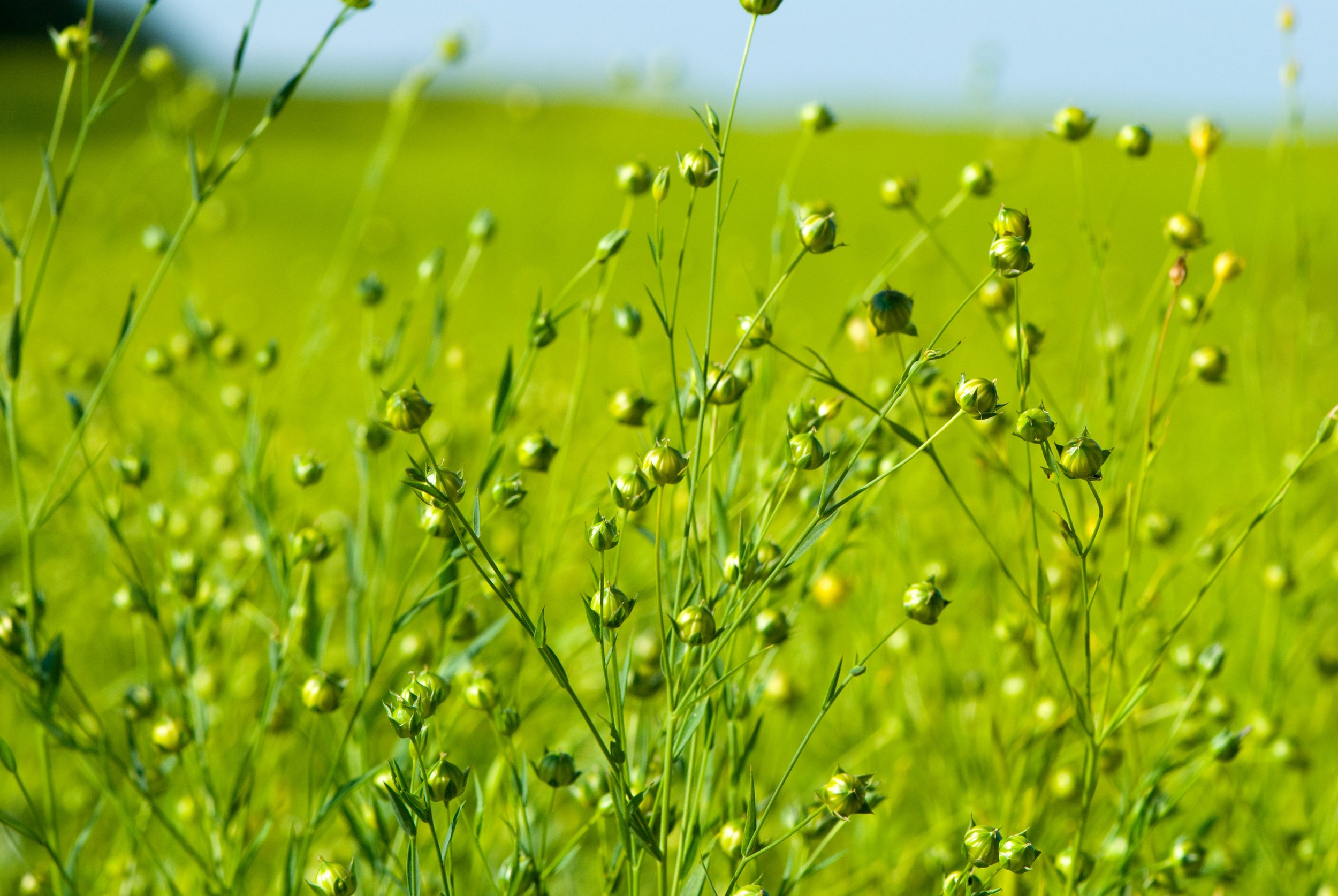
For sowing, it is necessary to use carefully cleaned seeds not lower than the 2nd reproduction. Seeds should be full, leveled, shiny, healthy. Sowing dates: - with 45 cm row spacing (seed sowing), - 15 cm row spacing (commercial sowing). Rolling up the soil is a must-have technique for obtaining friendly shoots. It is used differentially: in wet years - before seeding, in years with insufficient soil moisture, before and after sowing.

Fertilizer application
Flax is quite demanding of fertilizers, but the following should be considered: phosphate fertilizers accelerate the ripening of flax, an excess of superphosphate increases the acidity of the soil and can inhibit plants, an excess of nitrogen can cause lodging and branching of flax. Late nitrogen fertilization can lead to stretching of flowering and uneven ripening of flax. The most effective and economically viable is the introduction into rows when planting granular superphosphate at a dose of 50-100 kg / ha. It is very important to ensure a uniform distribution of fertilizers in the soil, so that there is no variegation of flax stem (unevenness of ripening, different height and branching of plants).
Harvest
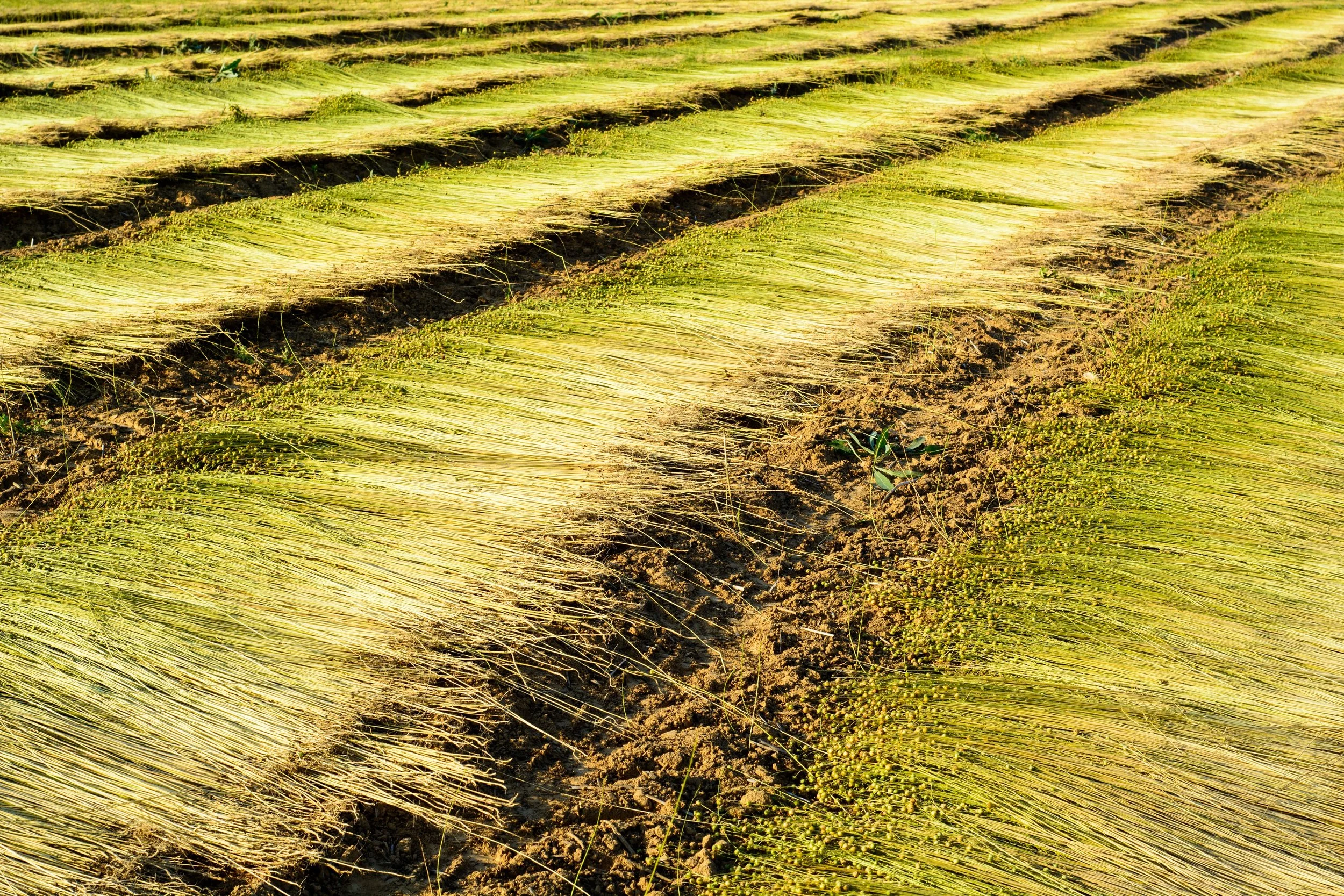
Methods of cleaning: - direct combining - on fields clean of weeds with uniform and amicable ripening of plants using desiccation. - two-phase (separate) - used more often. The optimal time for mowing the plants into rolls is the period when 75% of the bolls are ripening in the sowing. Seed moisture during this period is 10-12%. The cutting unit must be carefully adjusted and have reinforced smooth segments. The header should be guided along the rows. The height of the cut of plants should not be lower than 10-15 cm (the best conditions for airing the rolls). Seed cleaning should be carried out in a single stream with cleaning. For these purposes, it is recommended to use seed cleaning machines OVP-20A, SVU-0.5 or the grain cleaning units ZAV-20, K-531 Petkus-Gigant.