
Mustard
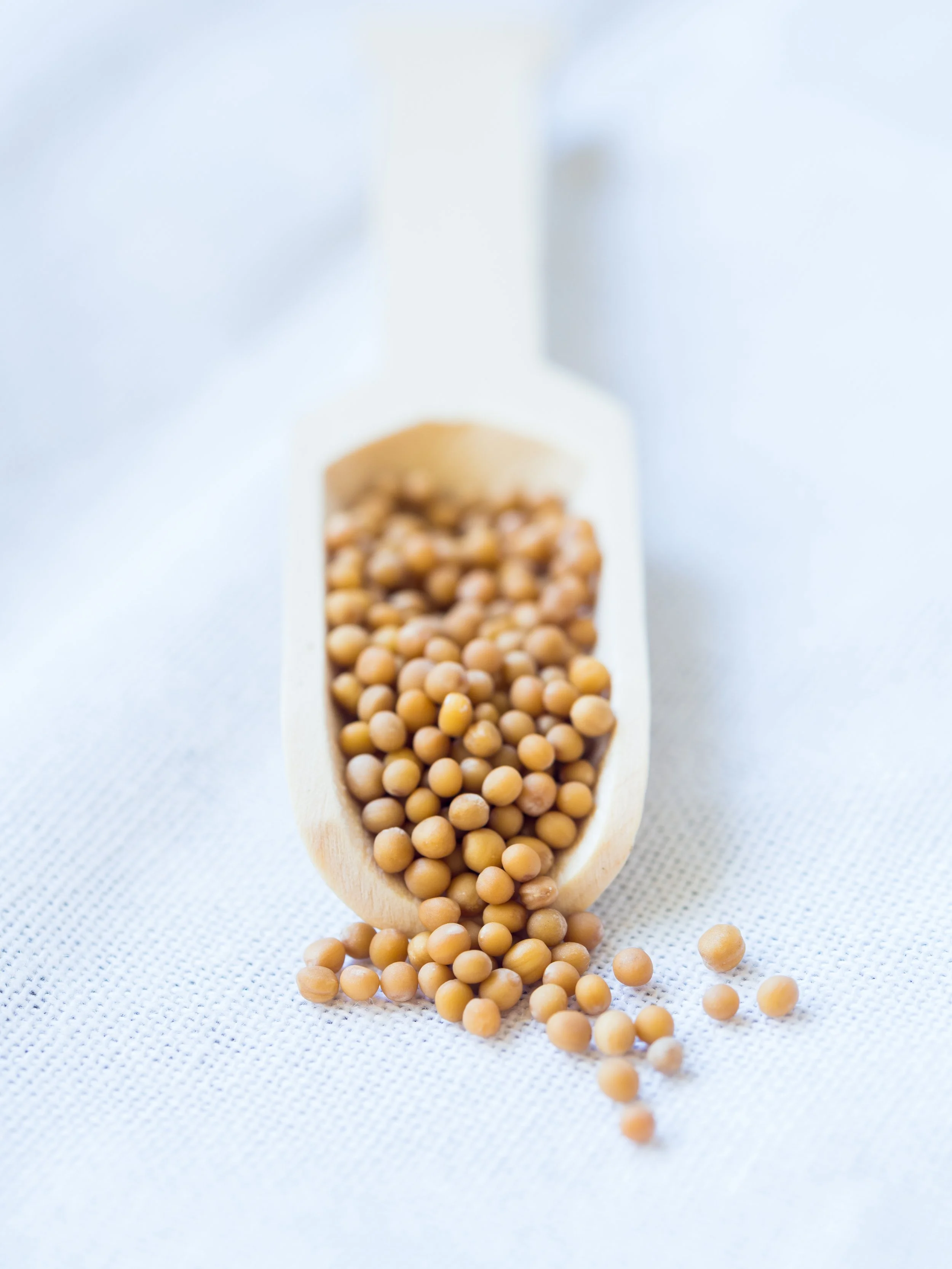
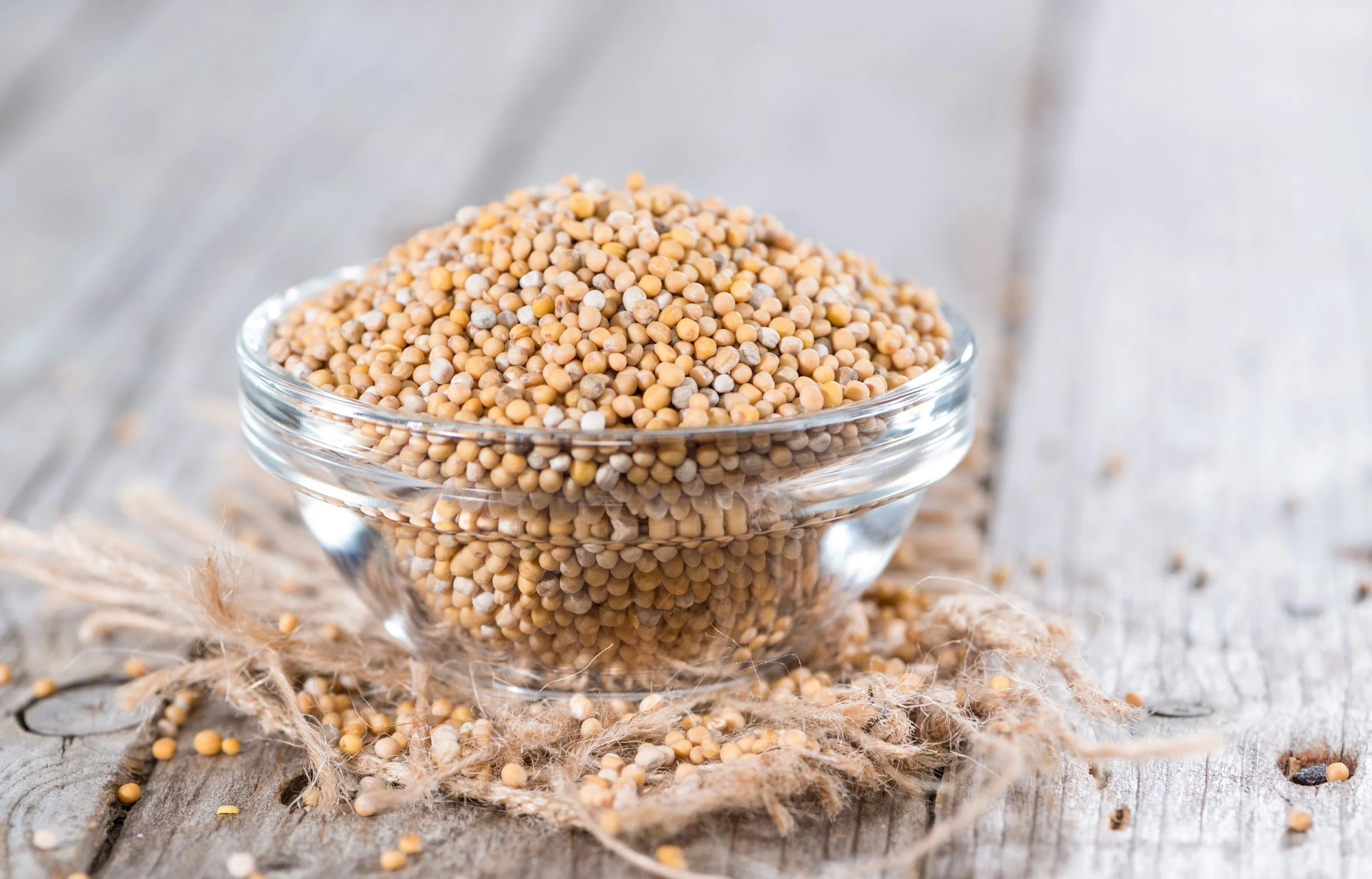

The best precursors for mustard are clean and busy pairs, cereals, tilled crops and leguminous crops. Mustard crops are not placed after other cruciferous crops, oil flax, beets, which have common pests and diseases, as well as after sunflower, millet. It can be returned to its former place of cultivation only after 4-5 years. At the same time, mustard is a good predecessor for cereals, because placing it between two fields of winter wheat prevents the disease from rhizomatous rot, and the damage to the ground beetle and increases the yield of wheat.
Tillage
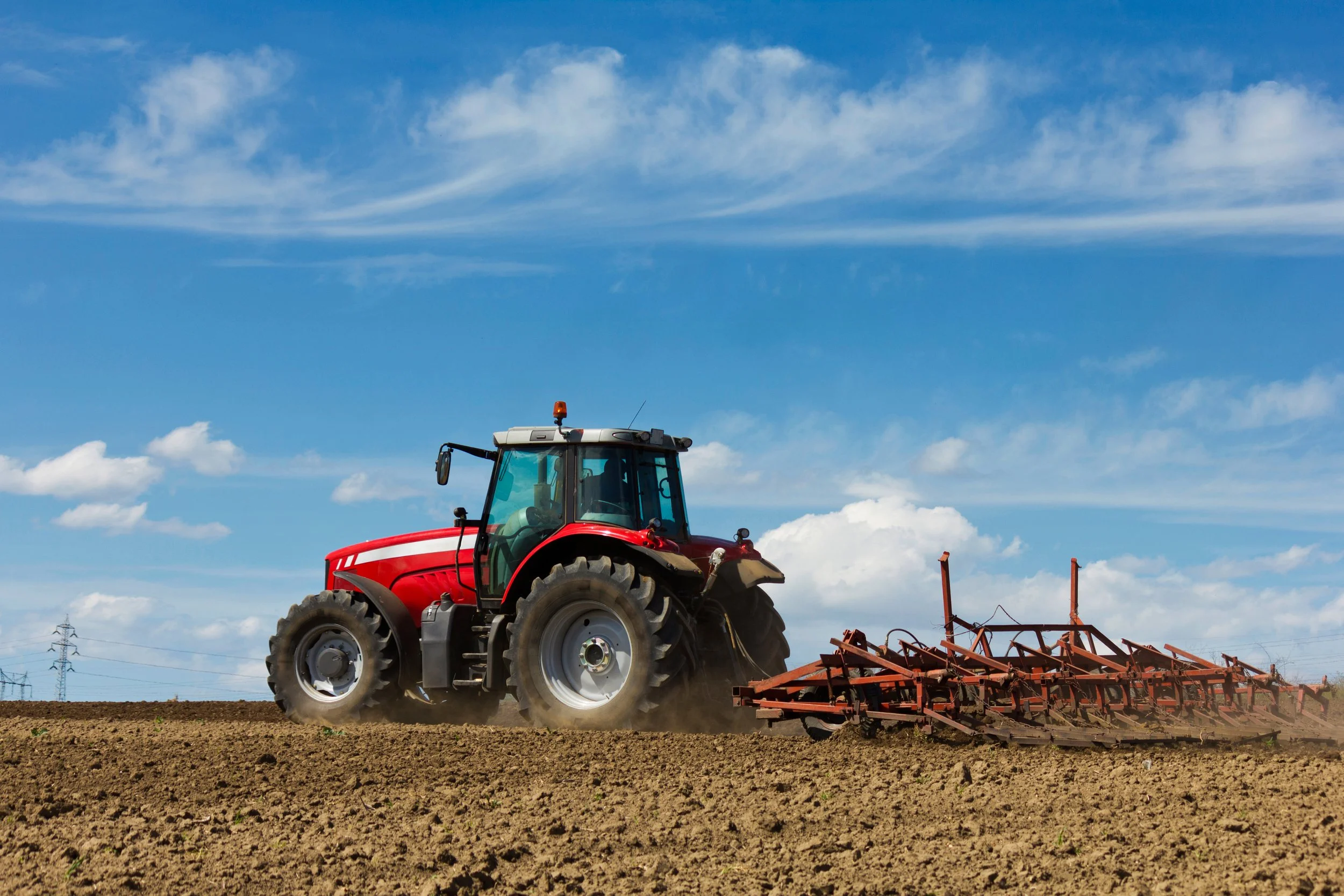
Mustard requires high-quality processing, so the preparation should be aimed at moisture accumulation, accelerated decomposition of plant residues, destruction of weeds and the creation of an even and moisture saturated soil layer at the depth of seeding. After harvesting the precursor, stubble is peeled to a depth of 6-8 cm, and then with flat-cutters - to a depth of 10-12 cm. In the case of weed regrowth, they are cultivated to a depth of 8-10 cm. 25 cm. Falling in the fall necessarily align. With strong weed infestation by rhizome weeds, mechanical measures to combat them are combined with chemical ones. Herbicides of continuous action contribute to vegetative weeds for plowing. Plowing is carried out for 2-3 weeks after treatment with herbicides.

Sowing
For sowing using well sorted seeds of the 1st reproduction, which by sowing qualities meet the requirements of the state standard. The timing of sowing mustard is one of the most important elements of its agricultural cultivation. Delay in planting 10-15 days compared with the optimal period leads to a decrease in yield by 20-40%.
The best optimal conditions for the growth, development and formation of a high yield of mustard are the usual lower-case sowing method with a row spacing of 15 cm, a seeding rate of 1.5-2.0 million pcs. seed germination per hectare. On seed crops, as well as on weedy fields, wide-row seeding with a row spacing of 45-70 cm and a norm of 1.2-1.5 million pieces is used. seed germination per hectare.
The seeding depth is 2-3 cm. When the topsoil is drying, the seeding depth is increased to 4-5 cm. At the same time, the seeding rate should be increased by 5-10%.

Mustard fertilizers
Mustard is demanding of nutrients in the soil. 55-60 kg of nitrogen, 20-30 kg of phosphorus and 35-60 kg of potassium are needed to form 1 ton of seeds. The rate of application of mineral fertilizers is determined by the results of soil diagnostics. Phosphate-potassium fertilizers are recommended to be applied under the main tillage. Culture positively responds to organic fertilizers, but it is better to apply them under the predecessor, since their direct use increases contamination and delays the maturation of the crop.
Care of crops
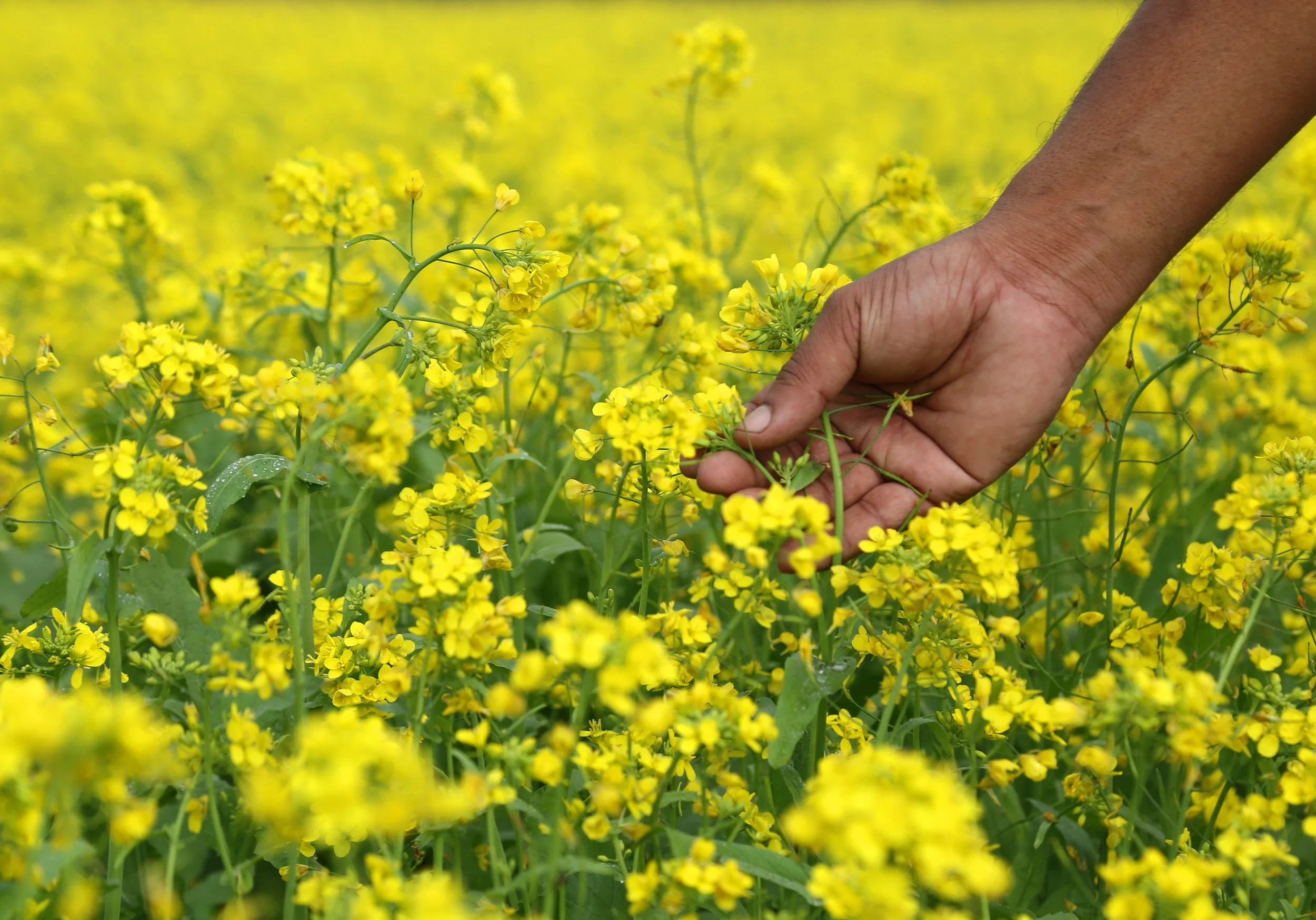
Caring for mustard sowing involves a set of measures aimed at the emergence of amicable shoots, the destruction of weeds, the protection of plants from pests and diseases, and the creation of optimal conditions for their growth and development.
When a soil crust is formed, an effective technique is the pre-emergence harrowing with light tooth harrows. Inter-row cultivations are carried out on wide-row crops, starting with phase 3-4 of these leaves. During the first cultivation to a depth of 4–5 cm, one-sided flat-cut paws are used; with the second cultivation, the depth is increased to 5–6 cm, preventing the plants from being put to sleep.
Mandatory preventive measures against mold and other diseases, as well as against a complex of soil and post-harvest pests are the treatment of treated and calibrated seeds. If for any reason the seeds were not pickled for sowing, then if there are more than three beetles, the cruciferous flea per 1 m2 of crops should be treated with insecticides.
At the end of the budding field must be sprayed against the stem, cabbage, seed hidden habitat and other pests. In the period of flowering and the formation of pods, cabbage aphid can colonize. In this case, it is necessary to carry out regional processing in time.
Collection
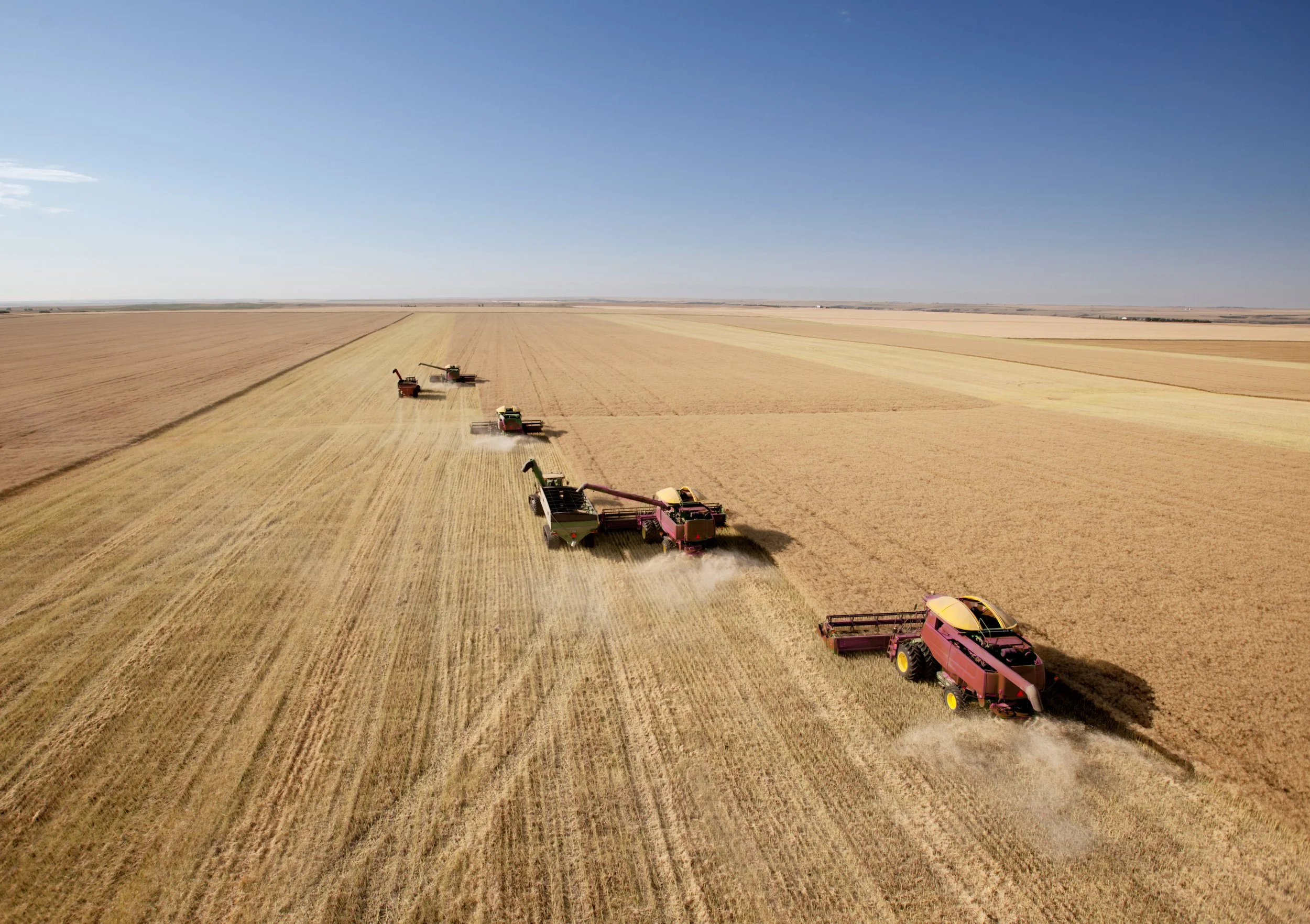
Mustard can be harvested as a direct combine or in a separate way. The two-phase method of harvesting is used on clogged crops. Direct combining is carried out on crops, clean from weeds, at seed moisture of 12-15%. In the case of a separate harvest, crops are mowed into rolls with a seed moisture of 25-30%. The selection of rolls is carried out at a moisture content of 10-12%. The collection is usually carried out in the morning and evening hours.
Post-harvesting seed
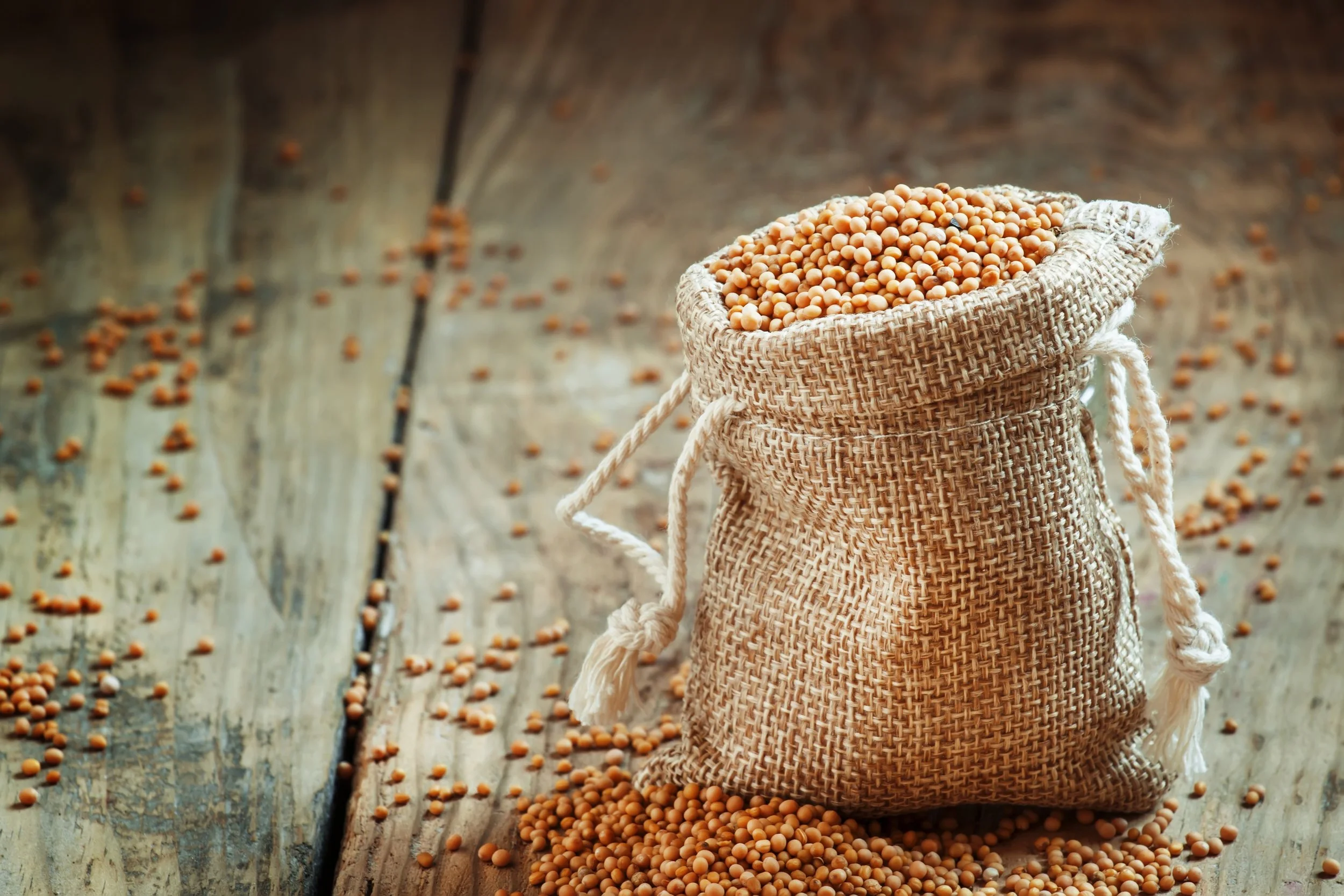
Mustard seeds, received on the current, require urgent primary cleaning. At high humidity the seeds are dried by the method of active ventilation. In the absence of active ventilation dryers, the seeds are dried in open areas. After adjusting the seed moisture to 9%, secondary cleaning is carried out. For long-term storage, seeds are laid with a humidity of 8-9%. For short-term storage, humidity not exceeding 12% is allowed.