
Lentils
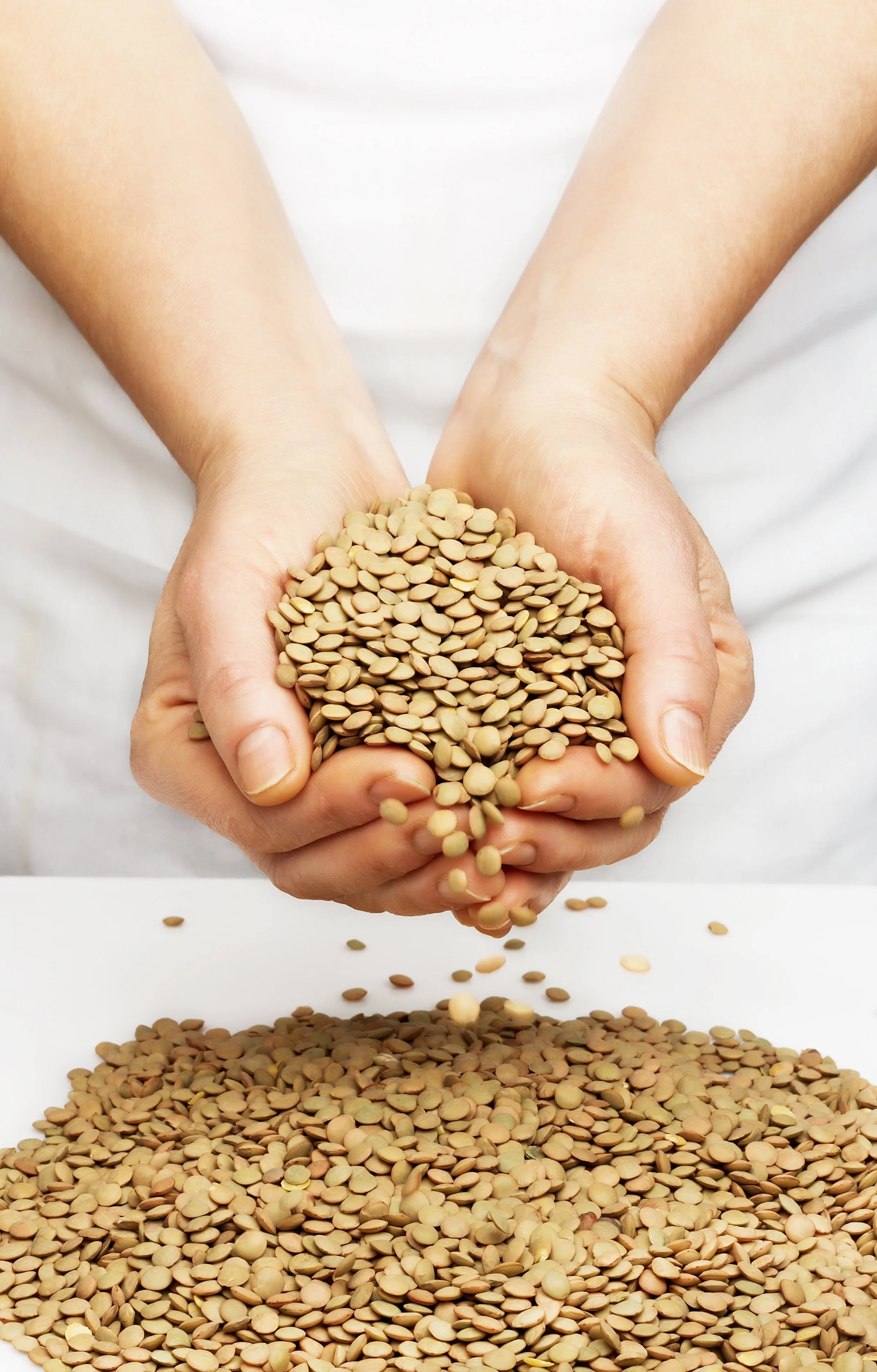
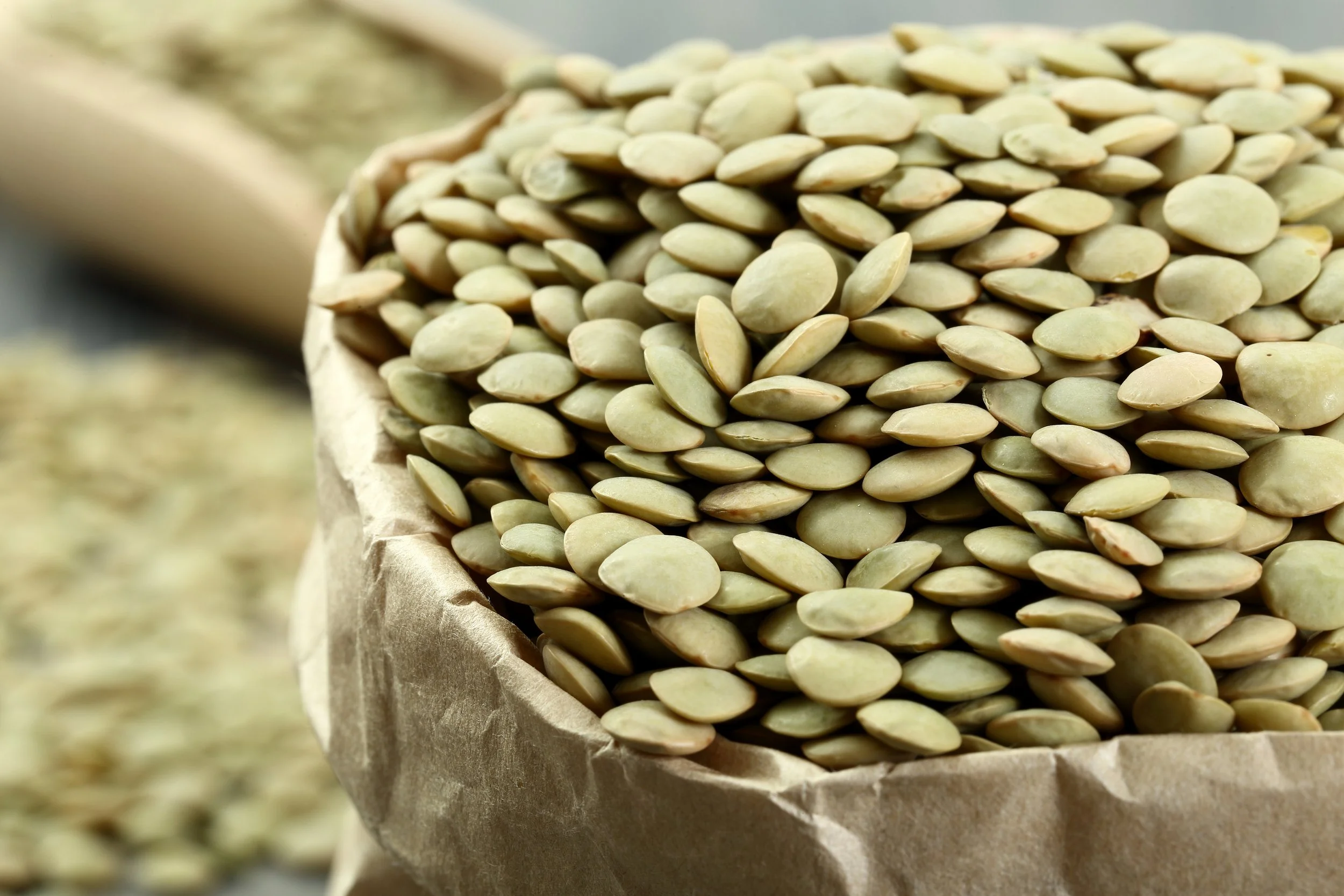
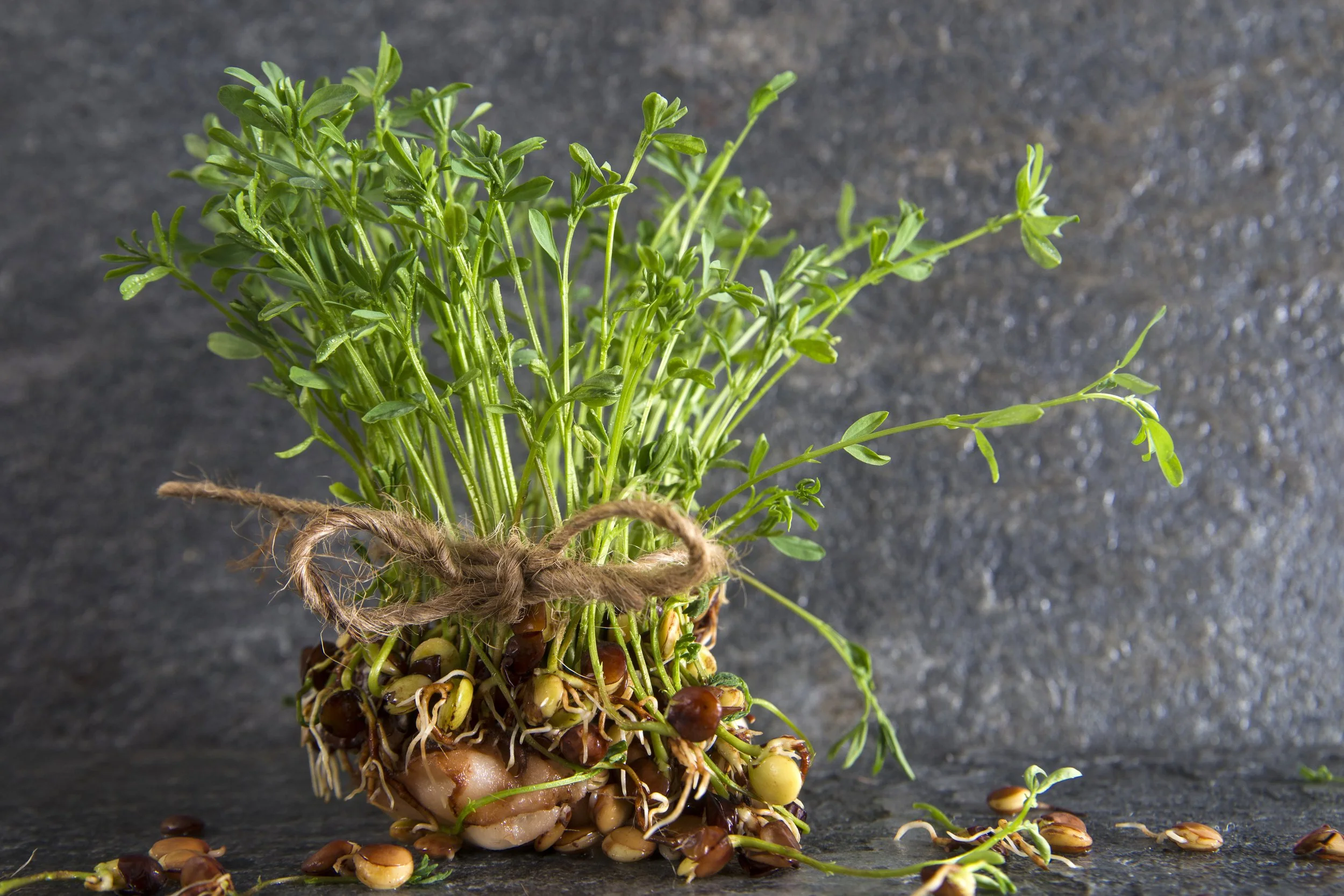
It is better to take those that leave the field clean from weeds as precursors for lentils - winter grain, tilled crops, spring grains, etc. The lentil is returned to its original place no earlier than 5-6 years to avoid the spread of nematodes parasitizing on it the roots. Lentil itself is a good predecessor for many non-legume crops, including winter crops.
Tillage and fertilizer
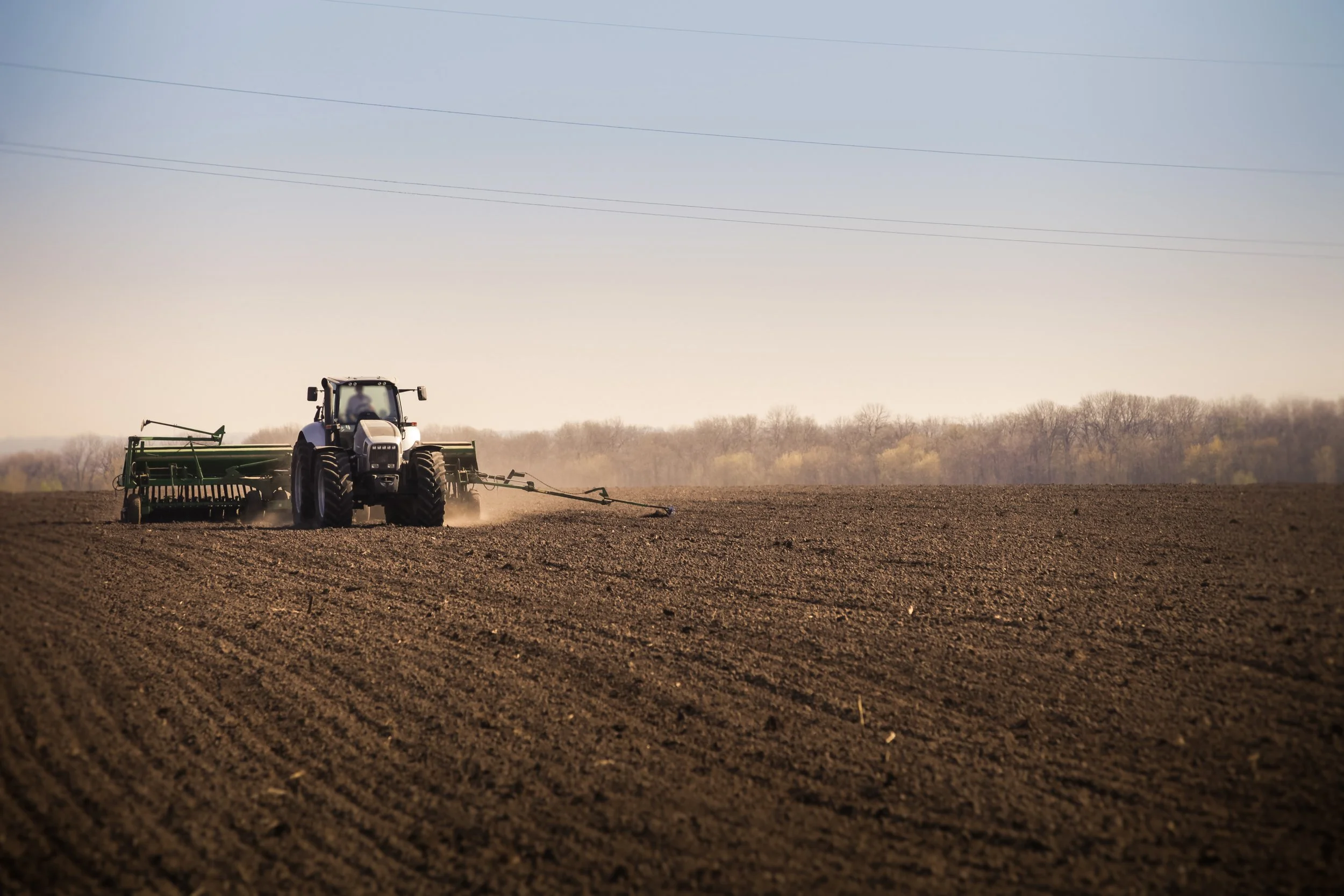
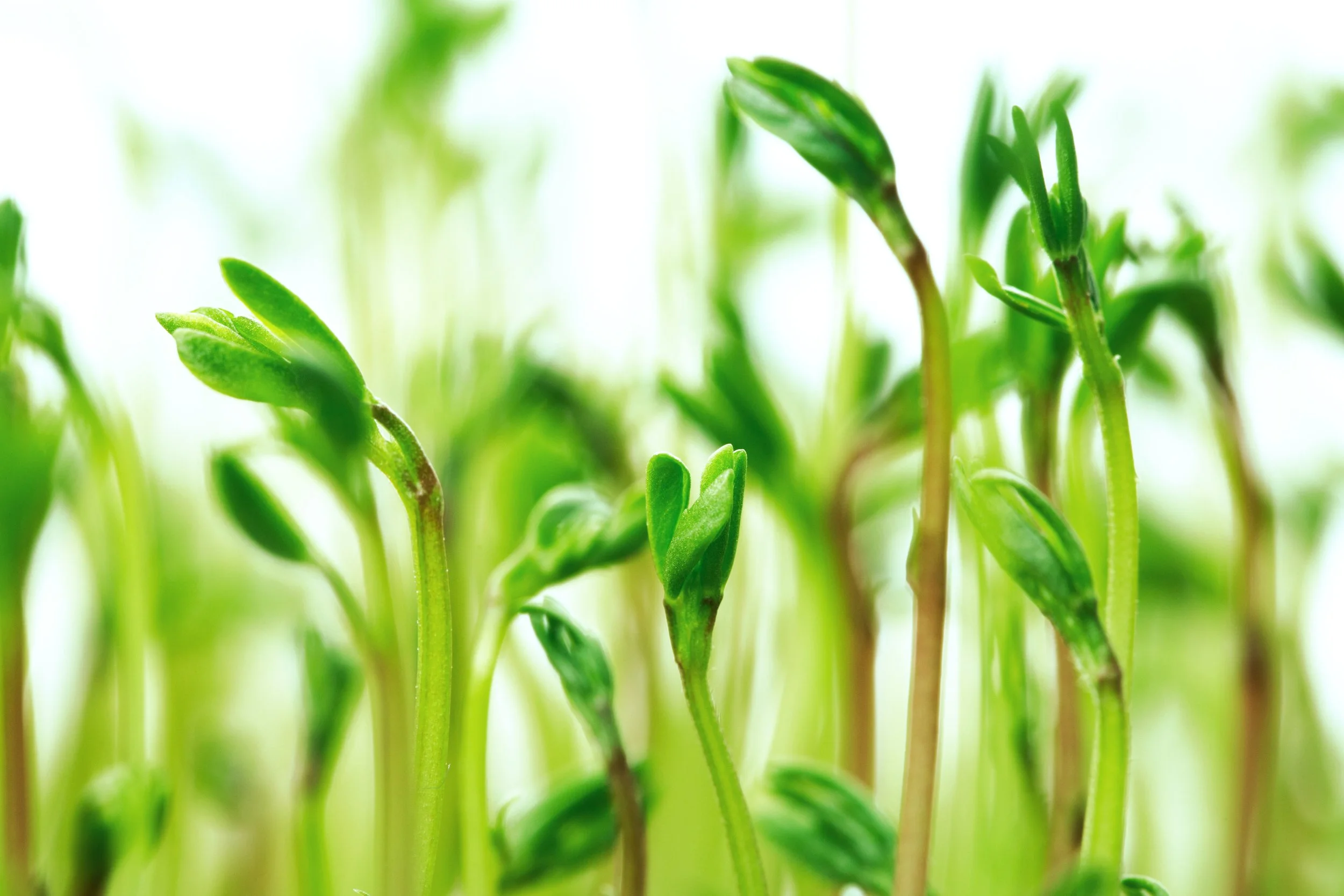
Tillage and lentil fertilizer are almost the same as for peas. High-quality processing of the field in the fall should solve two main tasks - cleaning the field from weeds, especially perennial, and leveling the surface. Glyphosates have a good effect if applied immediately after seeding lentils. Under optimal conditions, crop sprouts appear 7–8 days after sowing, and in cool weather - after 2-3 weeks. During this period, a significant number of weeds germinate, which are destroyed during the period when lentil sprouts have not yet appeared on the surface.
Sowing
For sowing, they use large, peeled (especially from the flat-seed wiki) seeds. To prevent diseases, they must be pickled. Lentils are sown early narrow-row or in the usual ordinary way to a depth of 4-5 (up to 6-7) cm, the seeding rate is 2-2.2 million / ha. Optimally thickened crops are less clogged, respond better to fertilizers, less thinned during harrowing and ripen more friendly.
Care
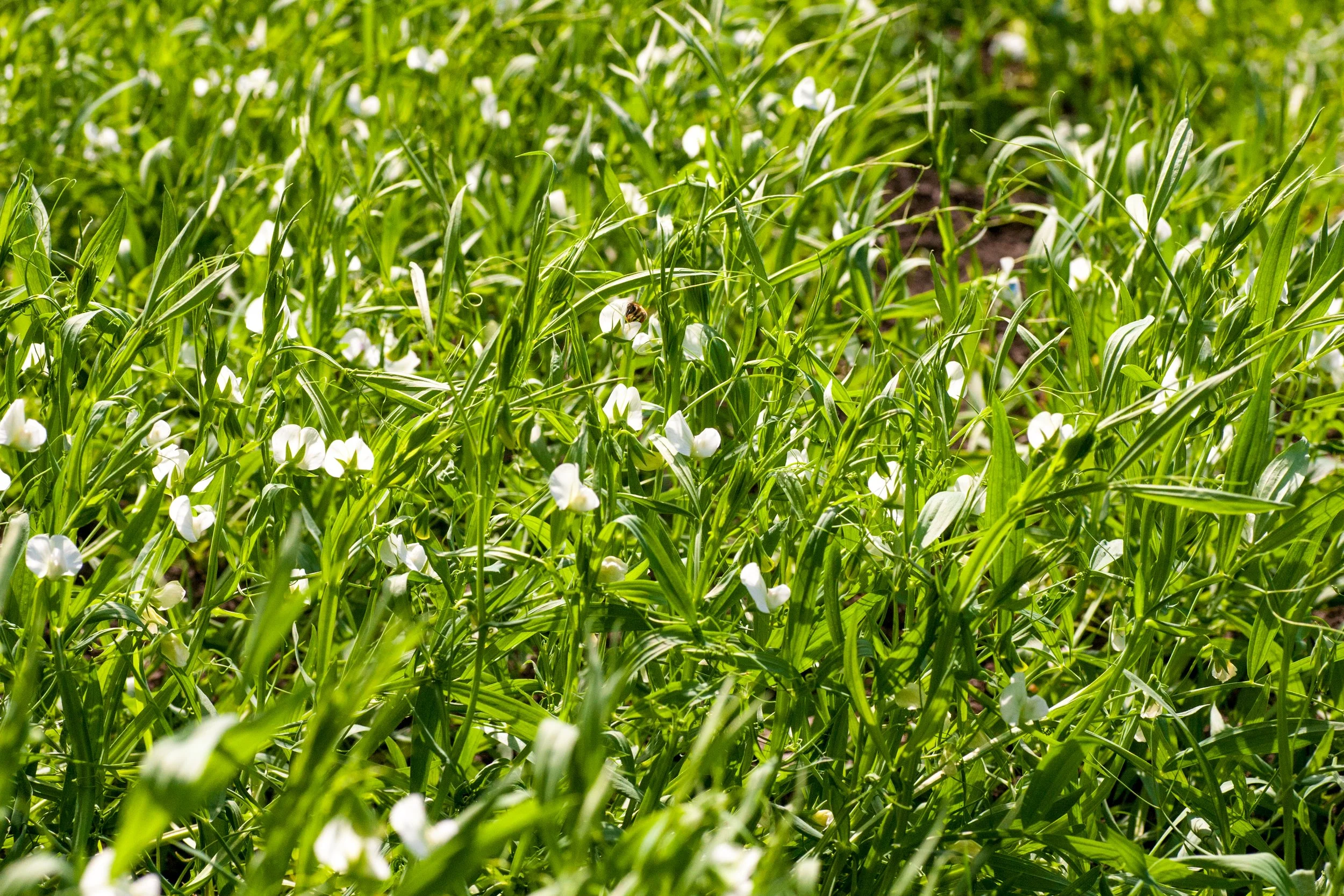
The care is basically the same as for pea crops: postseeding rolling of dried soil, harrowing with light harrows before and after germination at the mass appearance of filamentous seedlings of weeds. Perhaps pre-emergence of specialized herbicides. Flat-bottomed vetch, characterized by red flowers, blurted out by hand.
Harvesting
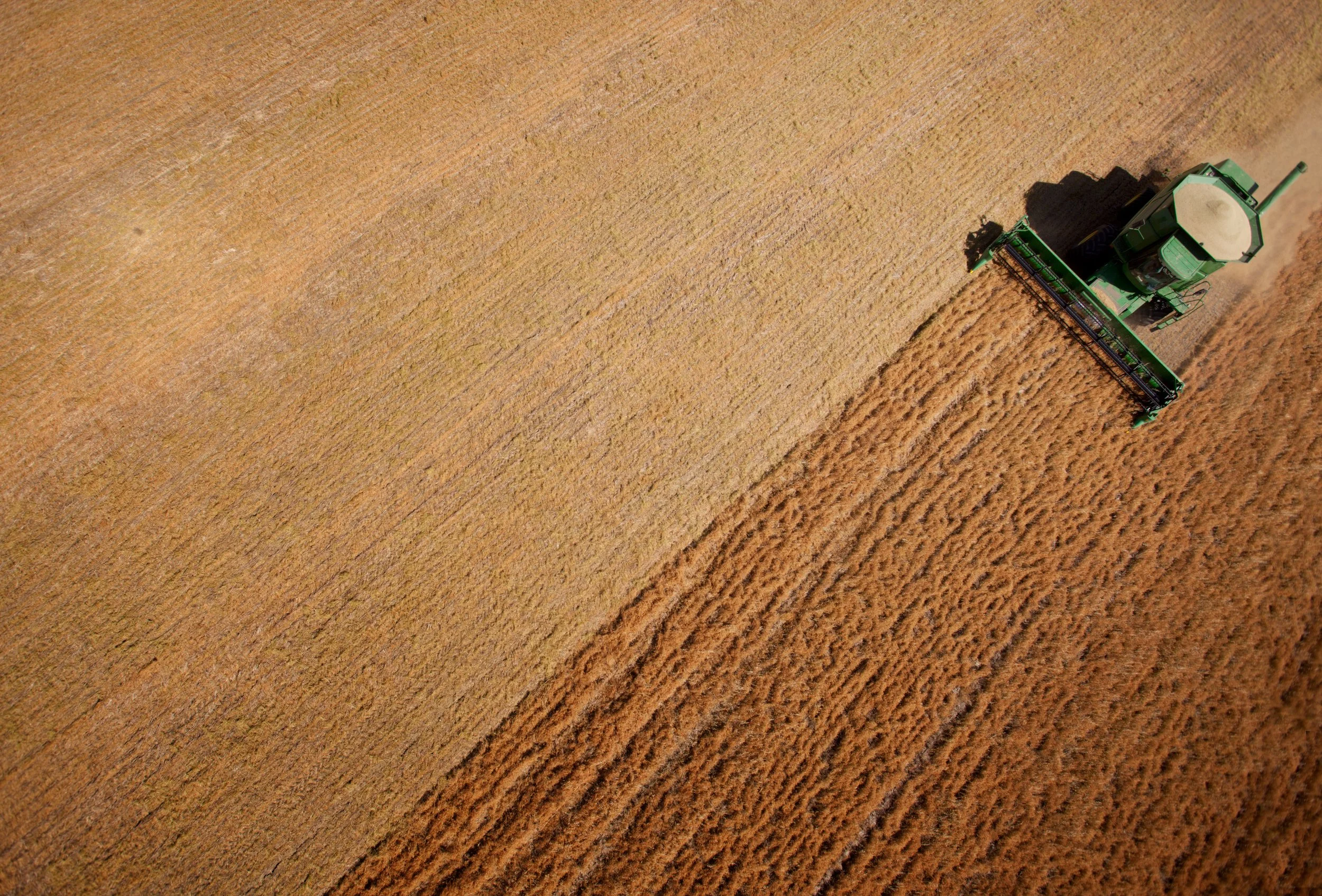
Lentil harvesting is hampered by its short stature and easy breaking of the beans. However, it is not more difficult to harvest the peas, especially since lentils are much less abundant and do not crack so much. You can clean it in a separate way, but it is better to combine it directly.
Bean harvester mowed on a low cut when yellowing of the lower and middle beans and hardening of seeds in them in 70% of the plants. After 2-4 days, dried rolls pick up and thresh with a combine with a pick-up. To reduce crushing and seed losses, it is important that the cut weight does not dry out.
Selection and threshing is carried out at high humidity (at night or morning, when the stalks are not friable) with a gentle mode. Direct combining removes weed-free crops in full ripeness with yellowing and browning of 80-90% of the beans.
Seed cleaning
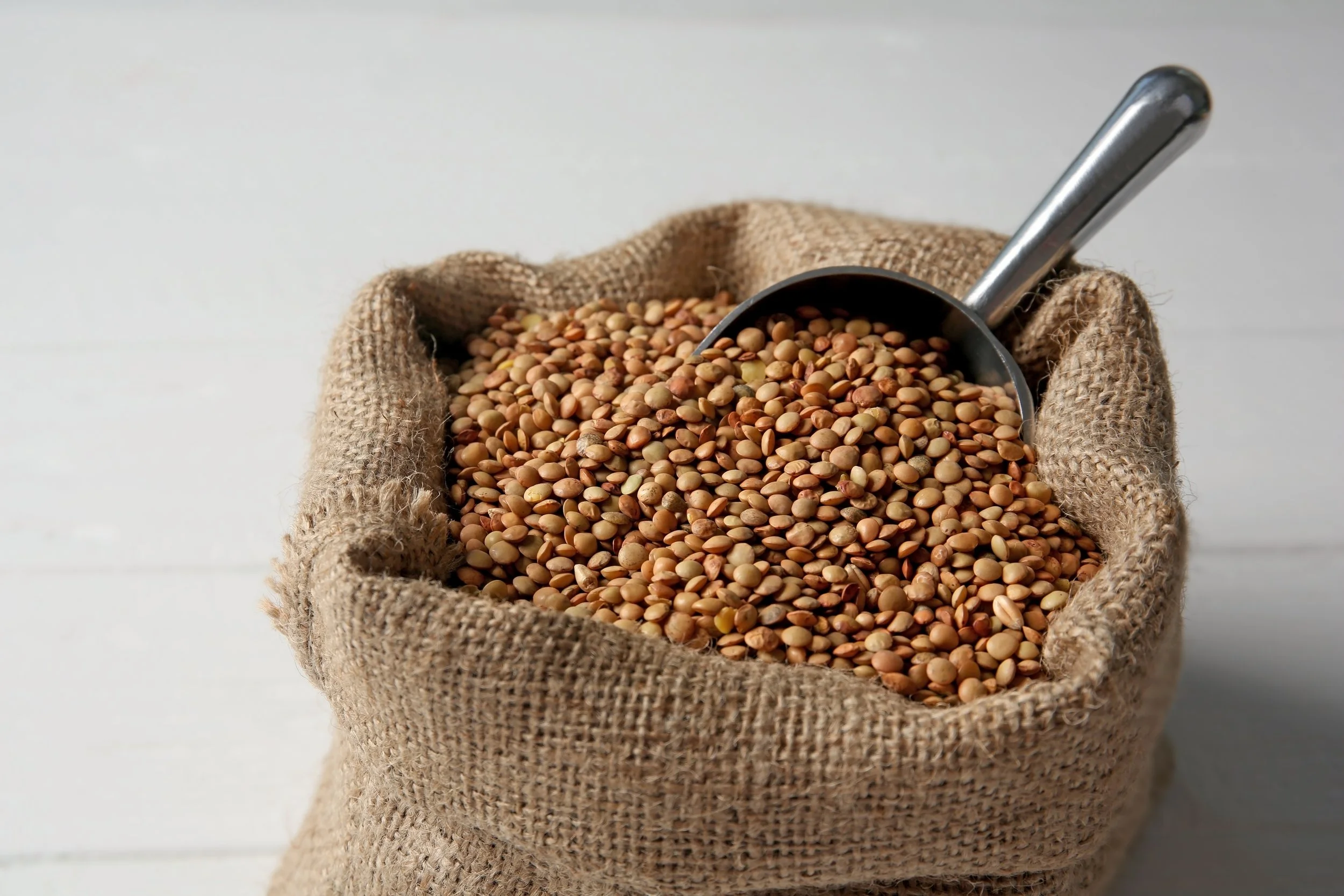
On the current, the pile is immediately cleaned, dried and stored, avoiding the loss of shine and the appearance of sunburn of the seeds under the action of the sun / or secondary moisture. Peeled and dried seeds are stored in bags with a stack height of not more than 2.5 m or in bulk up to 1.5 m. The moisture content of the seeds should not exceed 14%.